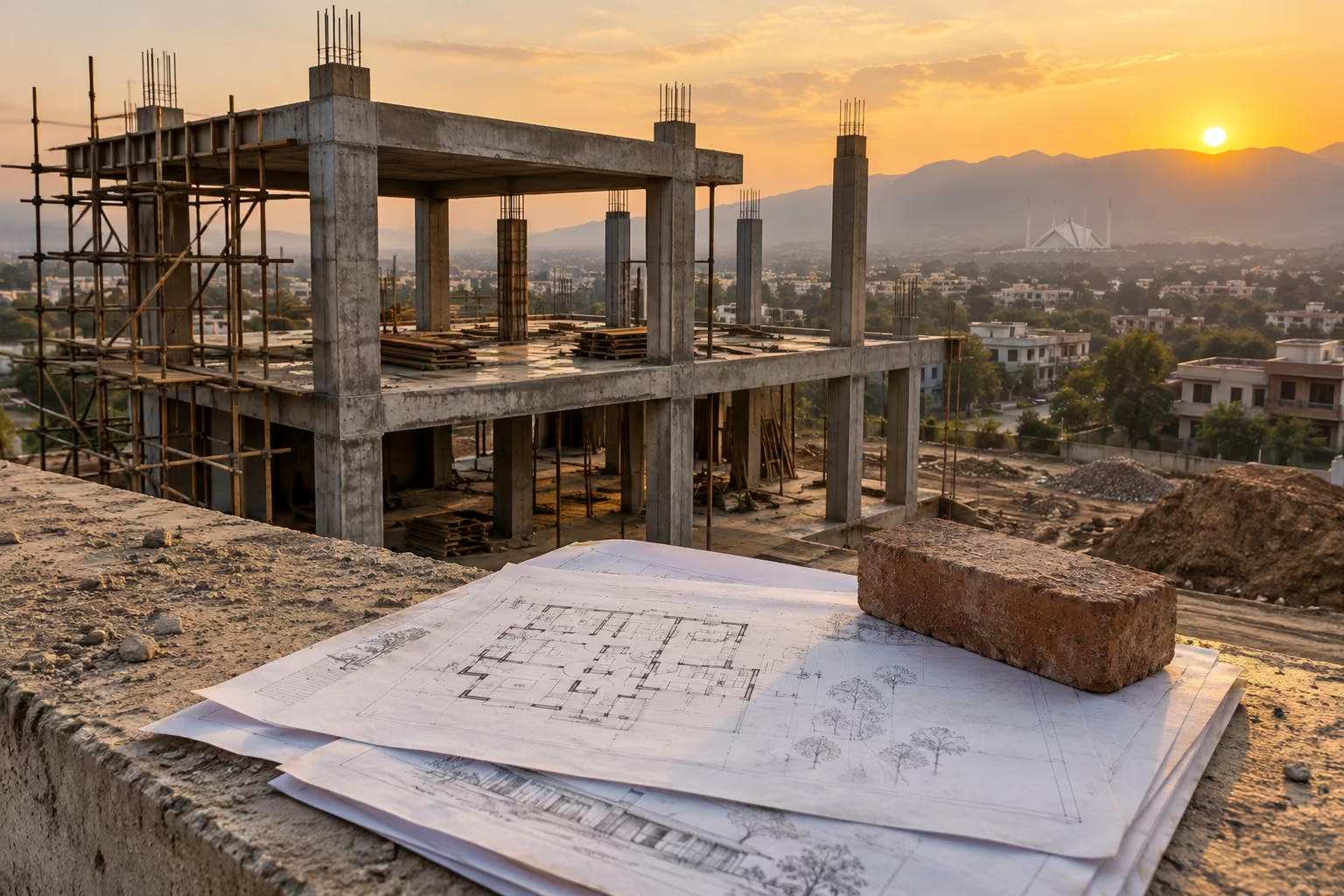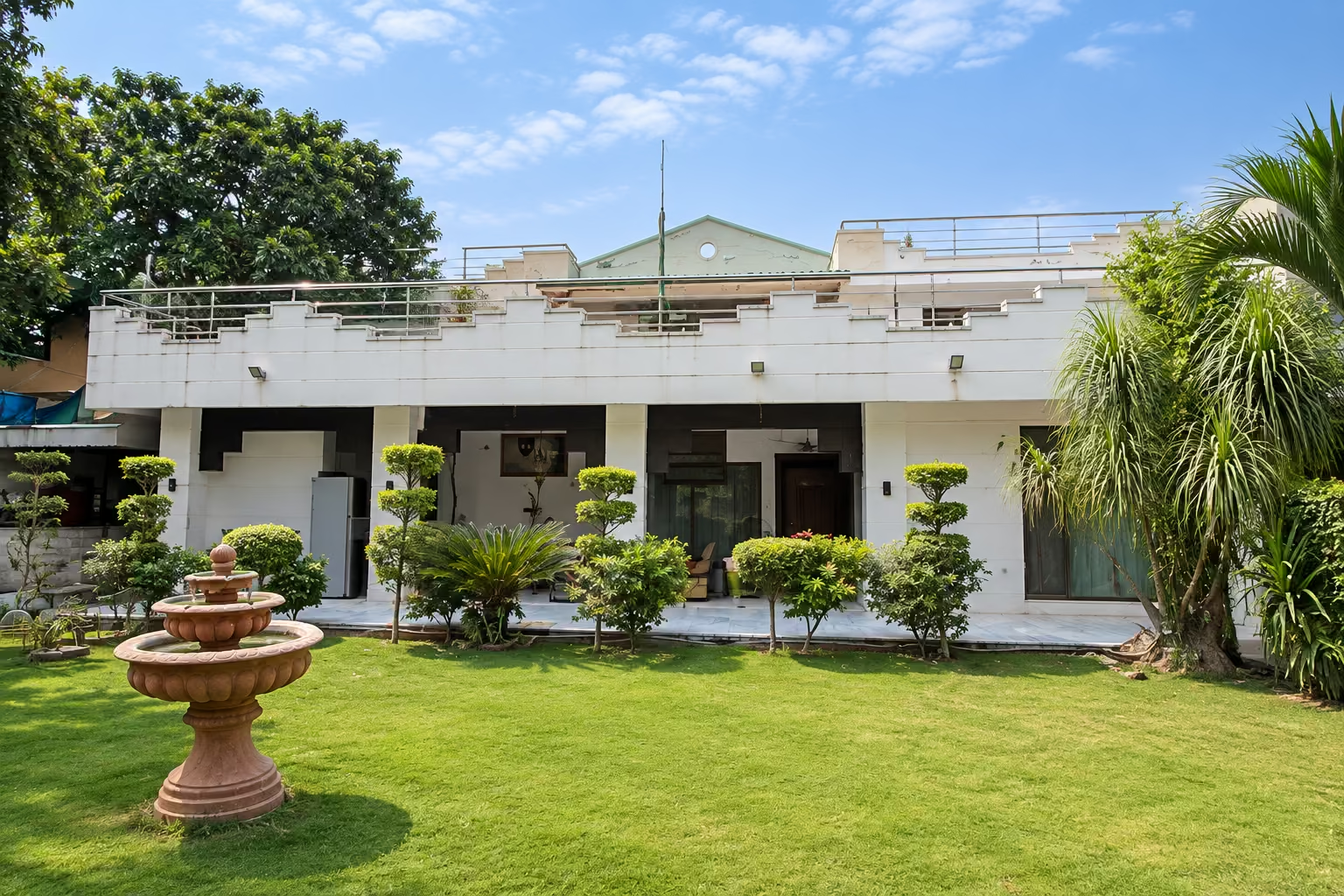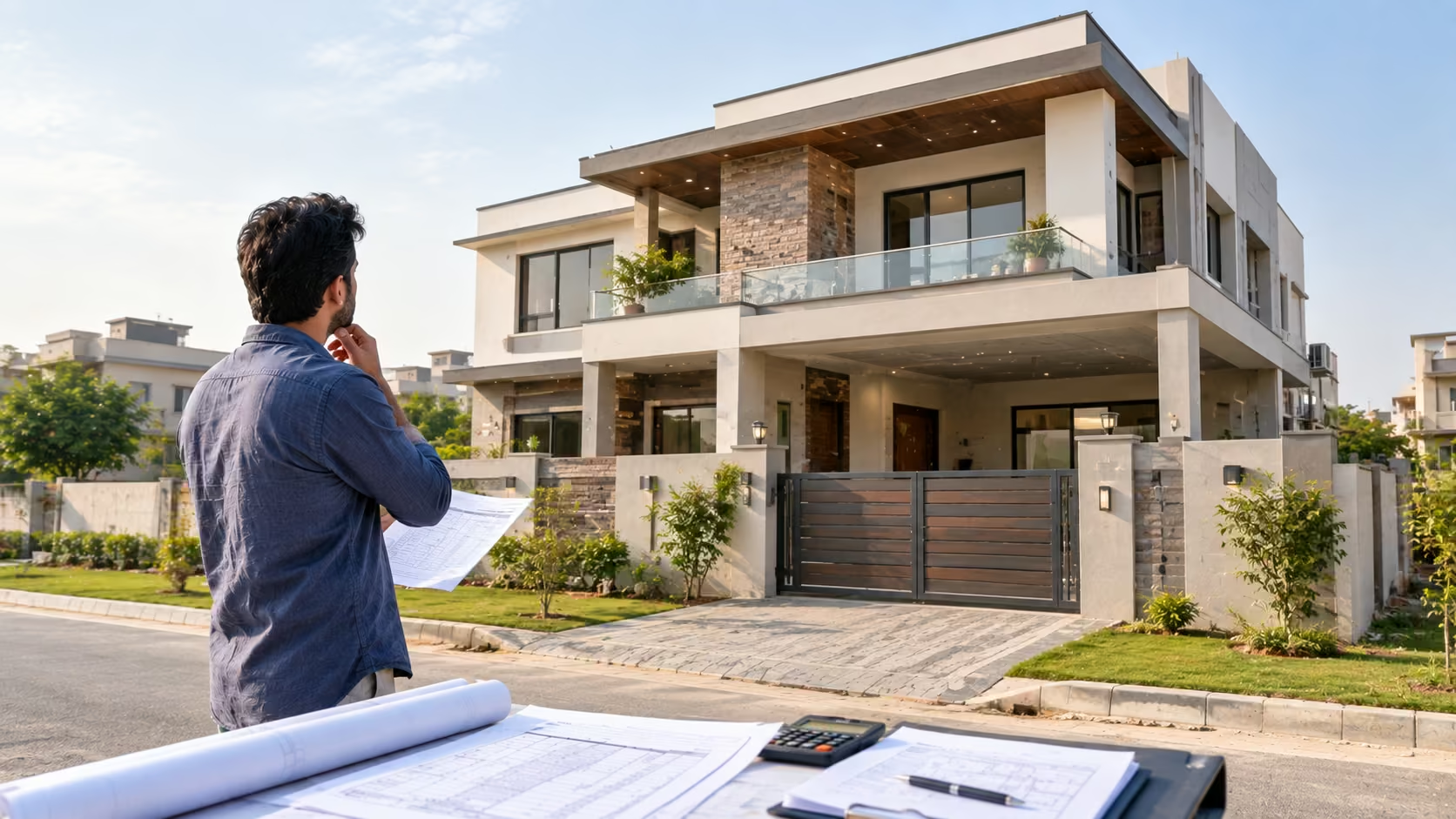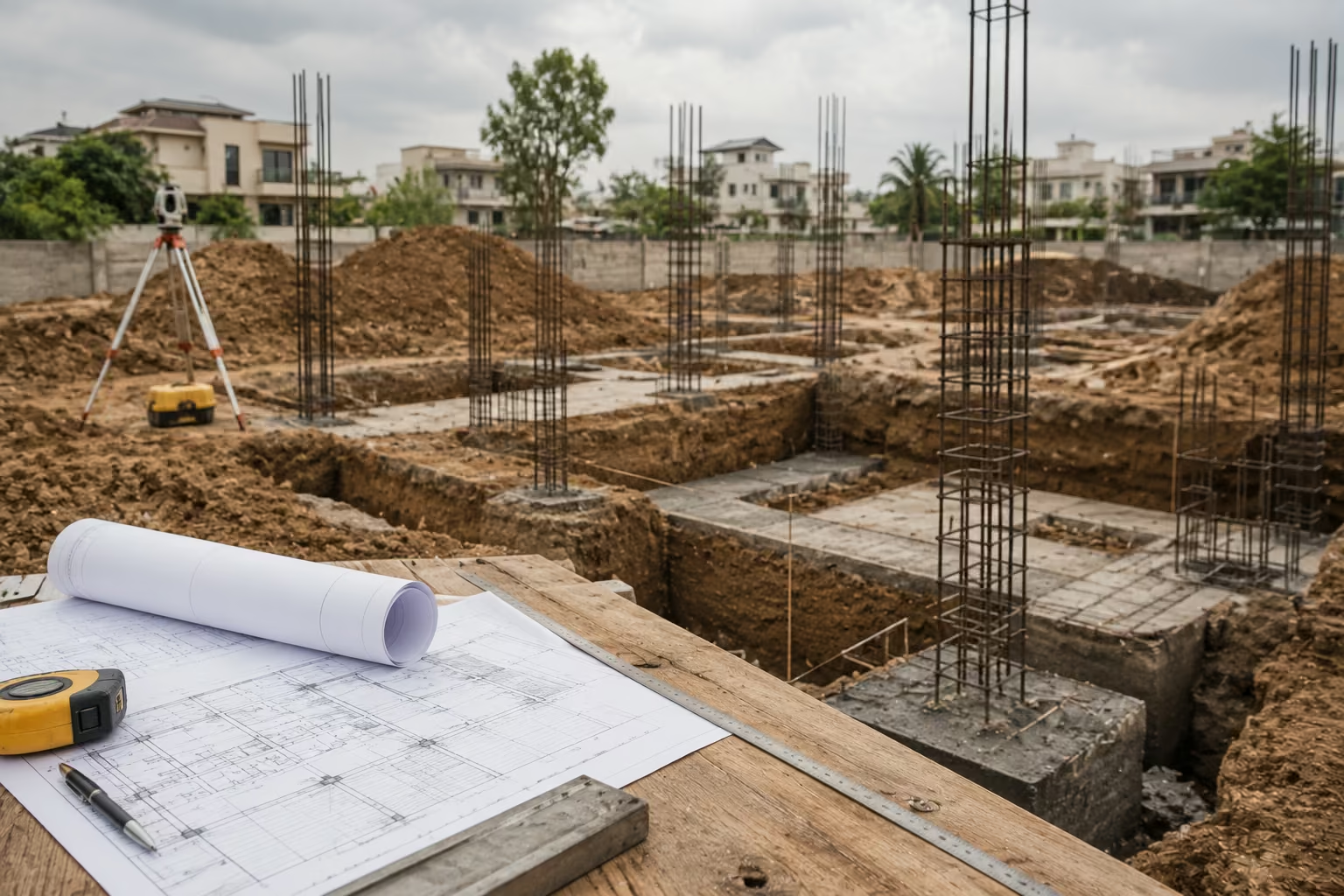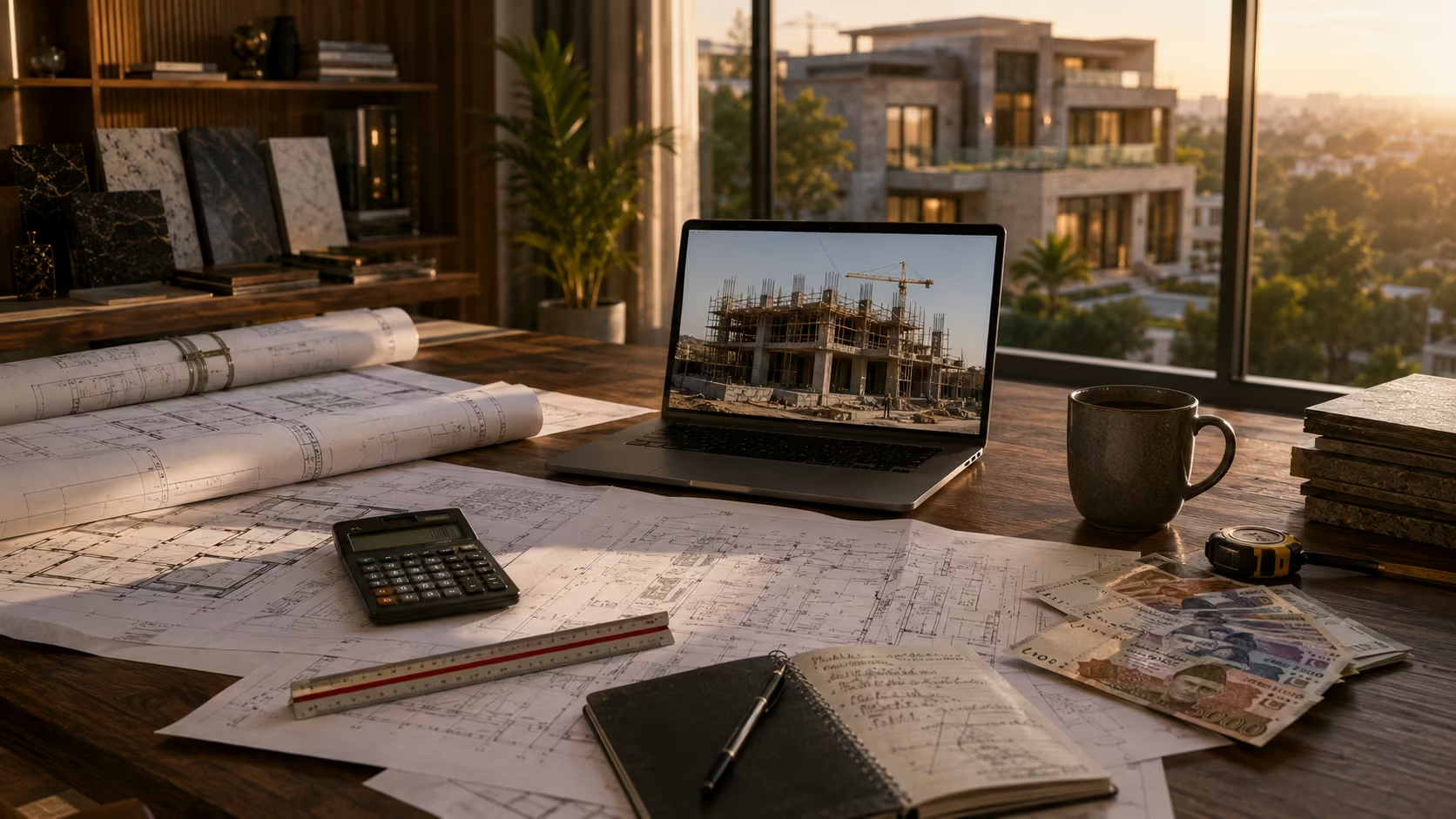
Building a house is one of the most significant financial decisions a family makes. Whether it’s a modest family home, a luxury villa, or a commercial property, understanding the house construction cost in Pakistan is the difference between a project that stays on budget and one that runs into costly surprises halfway through.
Most homeowners start with a rough number in min, then watch it shift as material prices move, labour availability changes, and design decisions add up. That’s not a planning failure; it’s simply how construction works when the budget isn’t broken down properly from day one.
This guide walks through every major cost driver, compares grey structure and turnkey construction in practical terms, flags the hidden costs most homeowners miss, and gives you a realistic framework for budgeting, plus where estimated cost ranges fit into your planning, and why we don’t publish fixed-price lists (more on that below).
Whether you’re building in Islamabad, Rawalpindi, or a nearby housing society, this guide is written to be the most complete resource you’ll find on the topic.
A Note on Pricing in This Guide
Construction material and labour rates in Pakistan shift frequently, sometimes month to month, due to cement and steel price movements, currency fluctuations, and regional demand. Publishing fixed PKR figures in a blog post risks becoming inaccurate within weeks and misleading readers who use it to plan a real budget.
Instead, this guide explains cost as a percentage breakdown and relative comparison (which components cost more, which construction method typically runs higher or lower, where budgets usually get stretched) so the information stays useful regardless of current market rates. For an accurate, up-to-date estimate based on your plot size and specifications, request a personalized quote directly;y see the Estimated Cost Guidance section below.
What Determines House Construction Cost in Pakistan?
There’s no single fixed cost for building a house; every project’s budget is shaped by a combination of factors that interact with each other. Understanding these before construction begins is what separates a controlled budget from a runaway one.
Plot Size and Covered Area
Plot size alone doesn’t determine cost; covered area does. Two houses on identical plots can have very different budgets depending on:
- Number of floors
- Total covered area
- Basement construction
- Terrace and rooftop design
- Garage size
- Balcony areas
More covered area means more materials, more labour hours, and a longer timeline, all of which scale the investment upward.
Architectural Design Complexity
Simple, boxy layouts are generally the most economical to build. Modern luxury designs, by contrast, often include:
- Large glass elevations
- Double-height ceilings
- Decorative façades
- Custom staircases
- Rooftop terraces
- Premium exterior finishes
These features improve appearance and functionality, but each one adds structural complexity and finishing work, which is where budgets commonly expand beyond the original estimate.
Construction Method: Grey Structure vs Turnkey
Homeowners generally choose between two approaches: either a grey structure or a turnkey
Grey Structure Construction
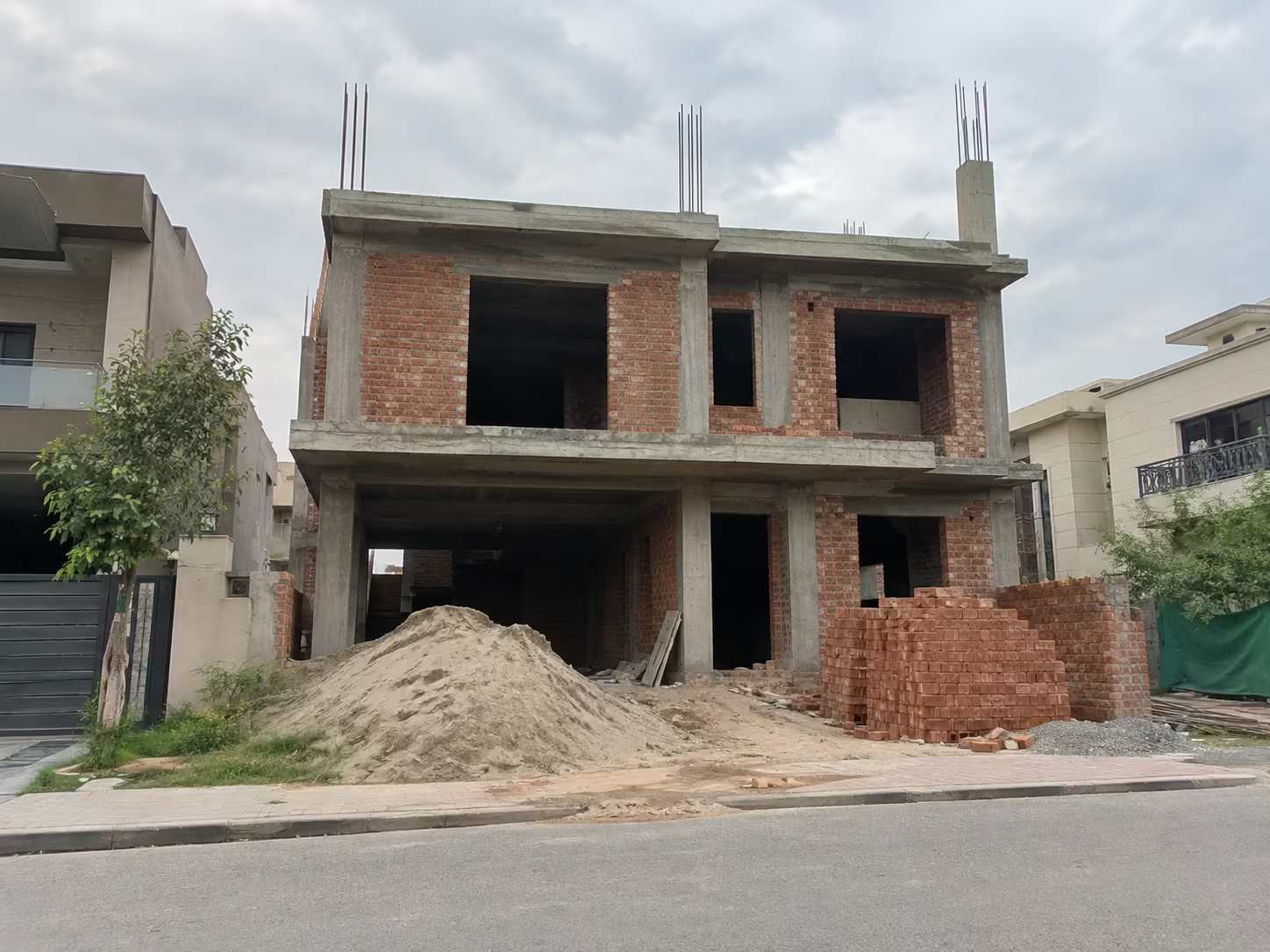
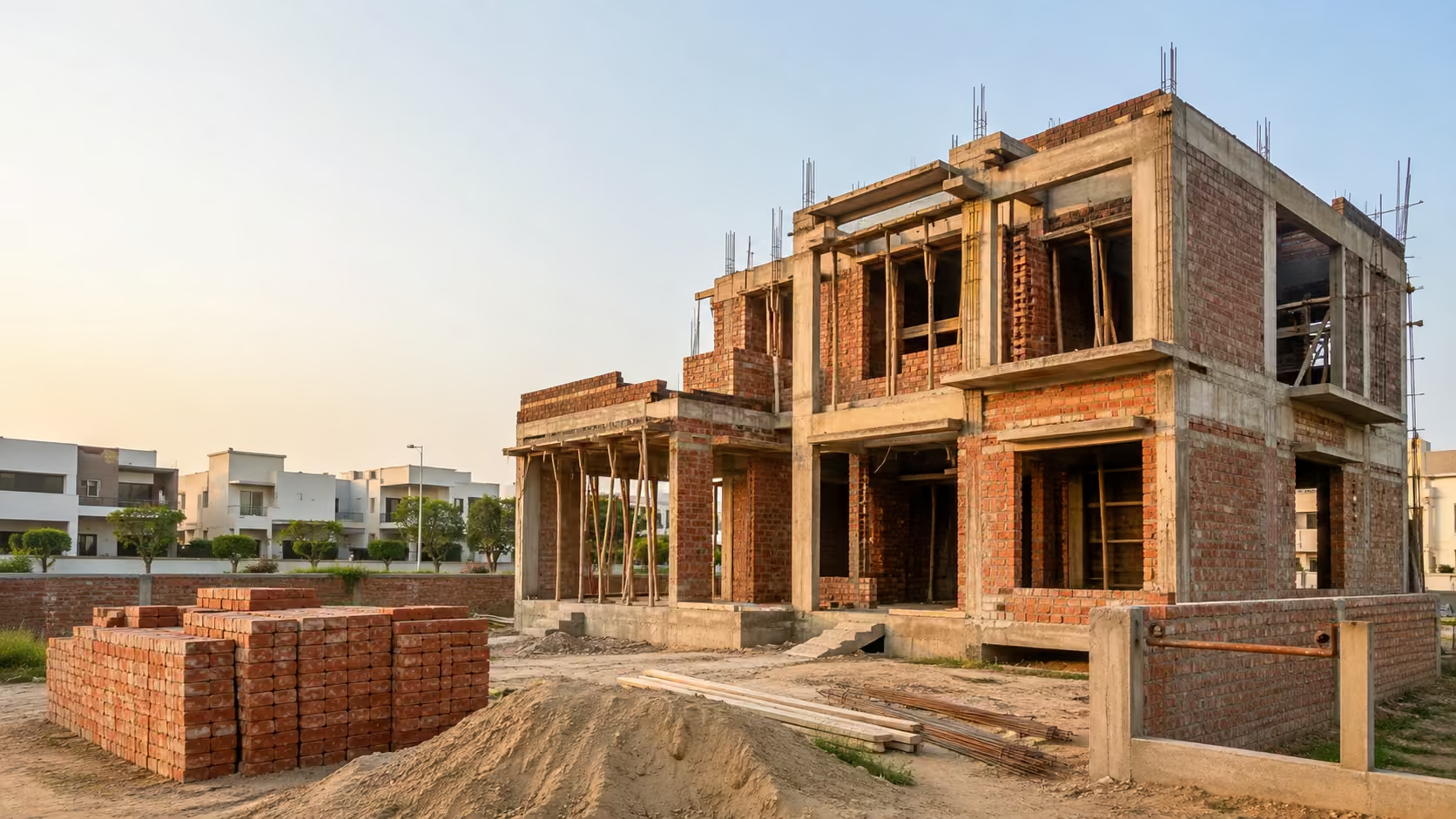
Grey structure covers the structural framework, foundation, columns, beams, brickwork, roofing, and plaster. Homeowners then manage finishing work separately, on their own timeline and budget.
Turnkey Construction
Turnkey construction covers the entire process: planning, structure, finishing, quality supervision, and handover, delivered by a single accountable team instead of multiple contractors.
| Factor | Grey Structure | Turnkey Construction |
| Scope | Structural work only | Complete construction process |
| Finishing | Managed by homeowner | Managed by contractor |
| Initial Outlay | Lower, phased investment | Higher, all-inclusive investment |
| Homeowner Involvement | High: coordinates multiple trades | Low: single point of contact |
| Schedule | Flexible, homeowner-paced | Faster, professionally coordinated |
| Best For | Hands-on owners with time to manage trades | Owners want a single accountable delivery |
Material Quality
Material choices directly affect both upfront cost and long-term durability. The main categories include:
- Cement and steel reinforcement
- Bricks, sand, and aggregate
- Plumbing and electrical materials
- Flooring and tiling
- Paint and finishing coats
- Doors and windows
Higher-grade materials generally cost more upfront but reduce maintenance and repair costs over the life of the building, a trade-off worth weighing against short-term savings.
Project Management
Professional project management is one of the most underestimated cost factors, not because it adds expense, but because its absence quietly inflates budgets through delays, rework, and material waste. Good project management:
- Coordinates labour across trades
- Schedules construction activities in sequence
- Manages material procurement and timing
- Reduces avoidable delays
- Minimizes material wastage
- Maintains consistent construction quality
Estimated Cost Guidance: How to Think About Your Budget
Because material and labour rates shift with the market, we don’t publish fixed price-per-square-foot figures here; a number that’s accurate today can be outdated within a few months. Instead, here’s a practical framework for estimating your own budget range:
Relative Cost by Construction Tier
| Build Tier | Typical Characteristics | Relative Cost Level |
| Economy | Standard materials, simple layout, minimal customization | Lowest |
| Standard | Mid-grade materials, moderate design detailing | Moderate |
| Premium / Luxury | High-end finishes, complex architecture, imported fittings | Highest |
Typical Cost Distribution Across a Project
As a general guide, structural work (grey structure) usually represents a smaller share of total project cost than finishing,g flooring, fixtures, electrical fittings, kitchen, and paint, which frequently add up to match or exceed the structural cost. This is the single most common source of budget overruns: homeowners price the grey structure carefully but underestimate finishing.
How to Get an Accurate, Current Estimate
The only reliable way to get real numbers for your project is a specification-based quotation based on your plot size, covered area, chosen finishes, and location rather than a generic online figure. This also protects you from outdated published rates being used against you by contractors quoting off old benchmarks.
Major Cost Components of a Construction Project
Regardless of which construction method you choose, every project budget is built from the same core components. Understanding how they interact rather than viewing them in isolation is what makes a budget realistic.
Construction Materials: Materials are typically one of the largest line items. Beyond raw quantity, the grade and source of materials (cement type, steel grade, brick quality) materially affect both cost and structural longevity.
Labour: Skilled labour drives workmanship quality. A typical project draws on multiple trades:
- Masons
- Carpenters
- Steel fixers
- Electricians
- Plumbers
- Painters
- Tile installers
- General labourers
Experienced tradespeople cost more per day but reduce rework; a false economy that many first-time builders fall into when hiring the cheapest available labour.
Equipment and Machinery:
Depending on project scale, equipment needs may include concrete mixers, excavation machinery, scaffolding, cranes, and cutting tools. Larger or multi-storey projects require proportionally more equipment time, which factors into overall cost.
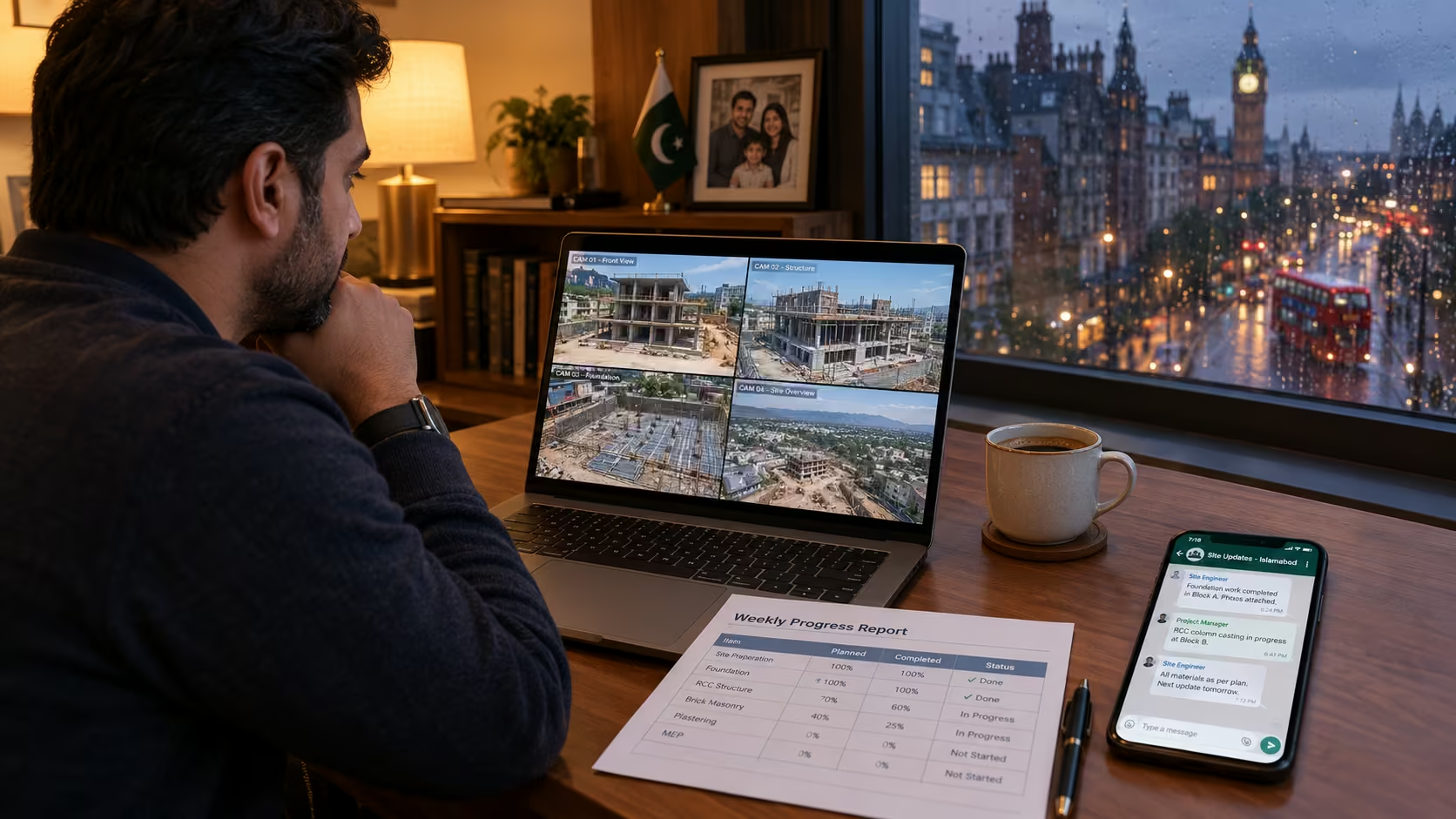
Project Management and Supervision: This covers procurement coordination, labour scheduling, quality inspections, budget monitoring, progress tracking, and client communication, the connective tissue that keeps a project on time and on budget.
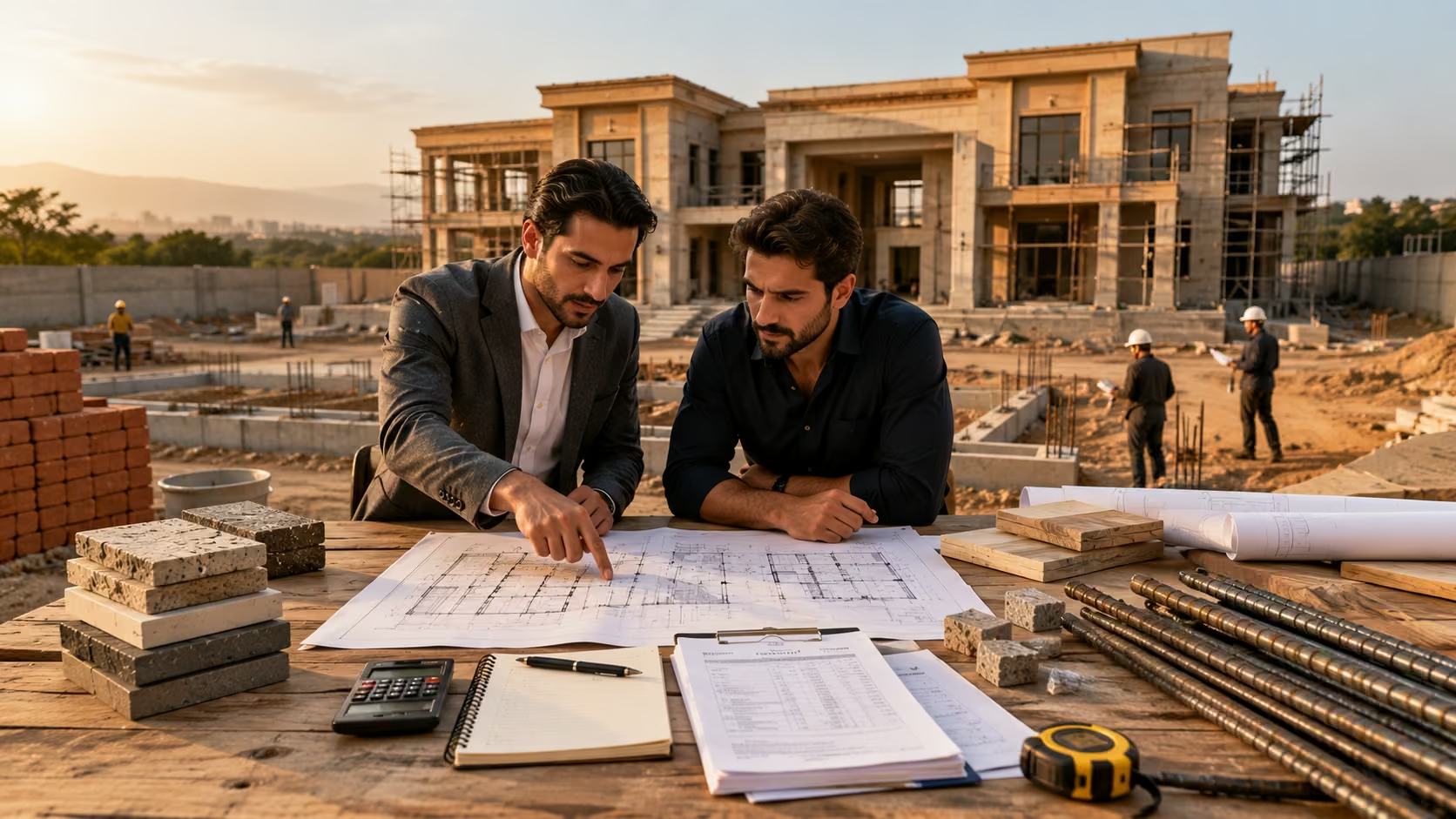
Hidden Construction Costs Homeowners Often Overlook
Most budgeting focuses on visible costs: cement, steel, bricks, labour. But several categories of expense are easy to miss during initial planning and can catch homeowners off guard mid-project.
- Architectural and Structural Design Fees: Professional drawings, architectural planning, structural engineering, electrical and plumbing layouts, and 3D elevations are real costs, not optional extras. Skipping proper design work to save money upfront is one of the most common causes of expensive mid-construction changes.
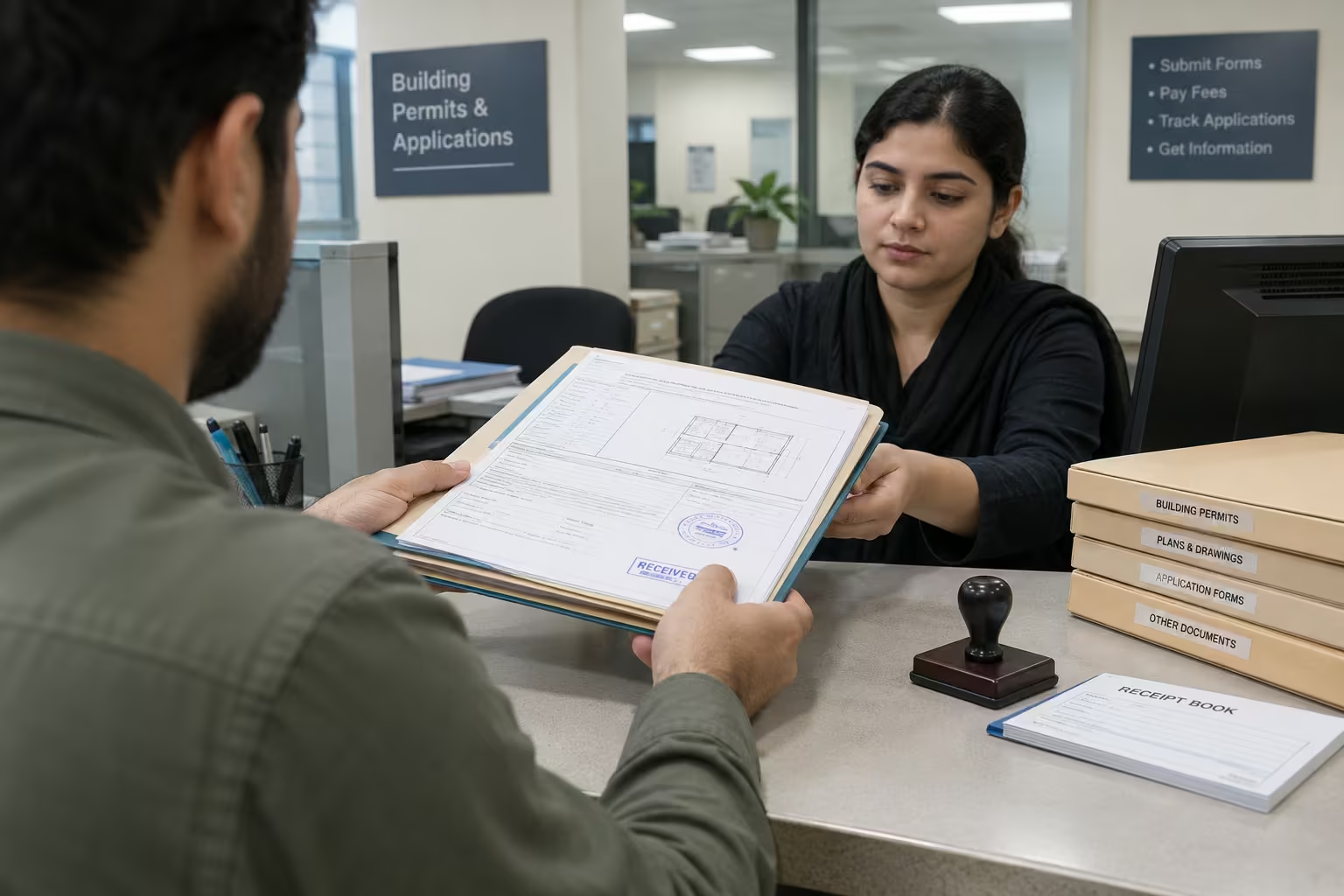
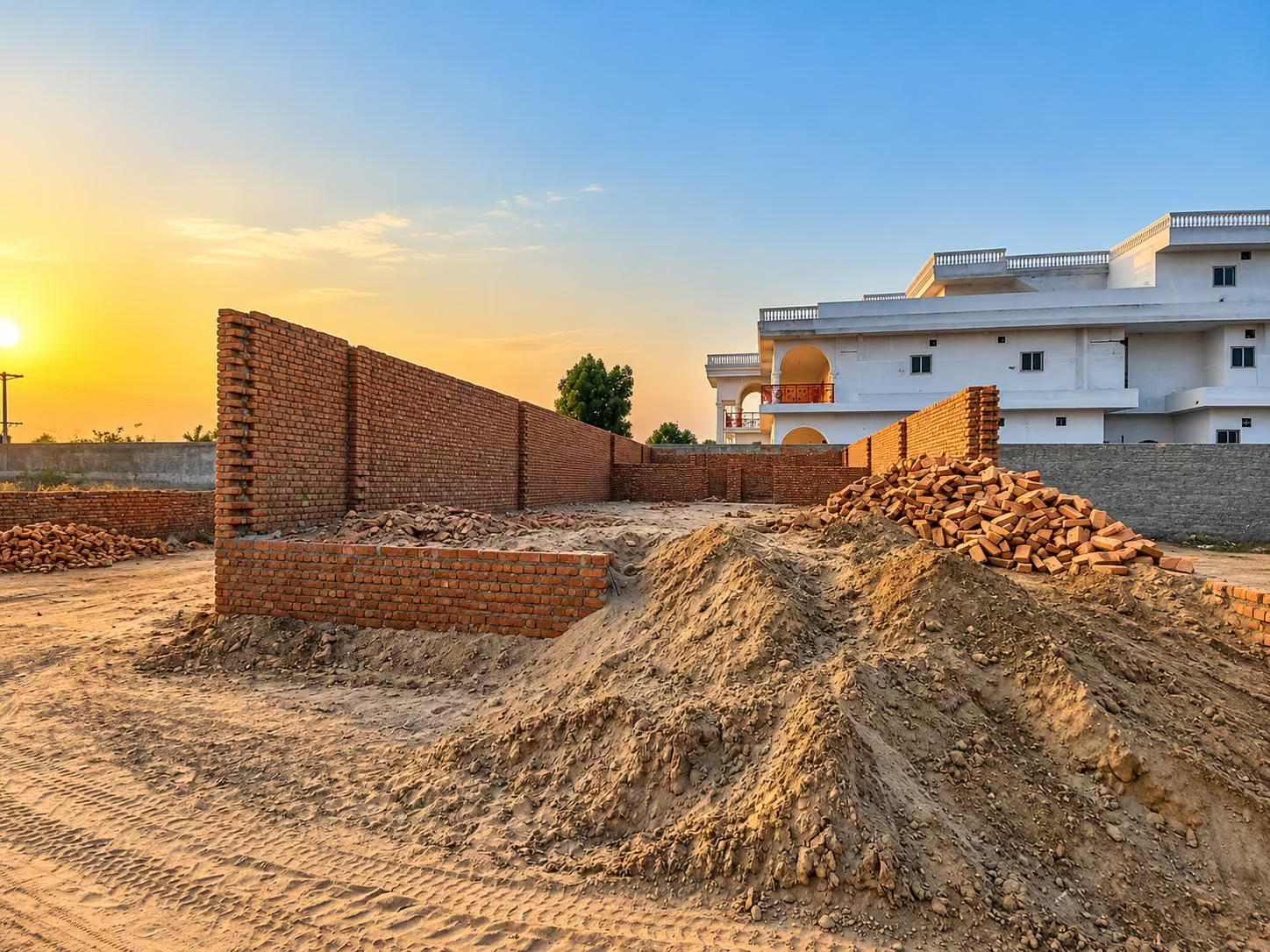
- Site Preparation: Before any structure goes up, land often needs clearing, excavation, soil leveling, compaction, and temporary fencing. The extent of preparation required depends heavily on plot condition and location.
- Utility Connections and Approvals: Electricity, water supply, sewerage, gas connections, and building approvals all carry separate costs and timelines that vary by city and housing society and are frequently left out of early budget estimates entirely.
- Landscaping and External Development: Boundary walls, entrance gates, driveways, walkways, garden landscaping, outdoor lighting, and drainage are often treated as “later” expenses, but they belong in the original budget, not tacked on as an afterthought once the main structure is complete.
Location, Timeline, and Design: How They Shape Your Budget
Location of the Project:
Transportation costs, material availability, labour availability, site accessibility, and local regulations all vary by area. Projects in Islamabad and Rawalpindi carry different logistical considerations than projects in other regions, particularly around approvals and housing-society-specific requirements.
Construction Timeline:
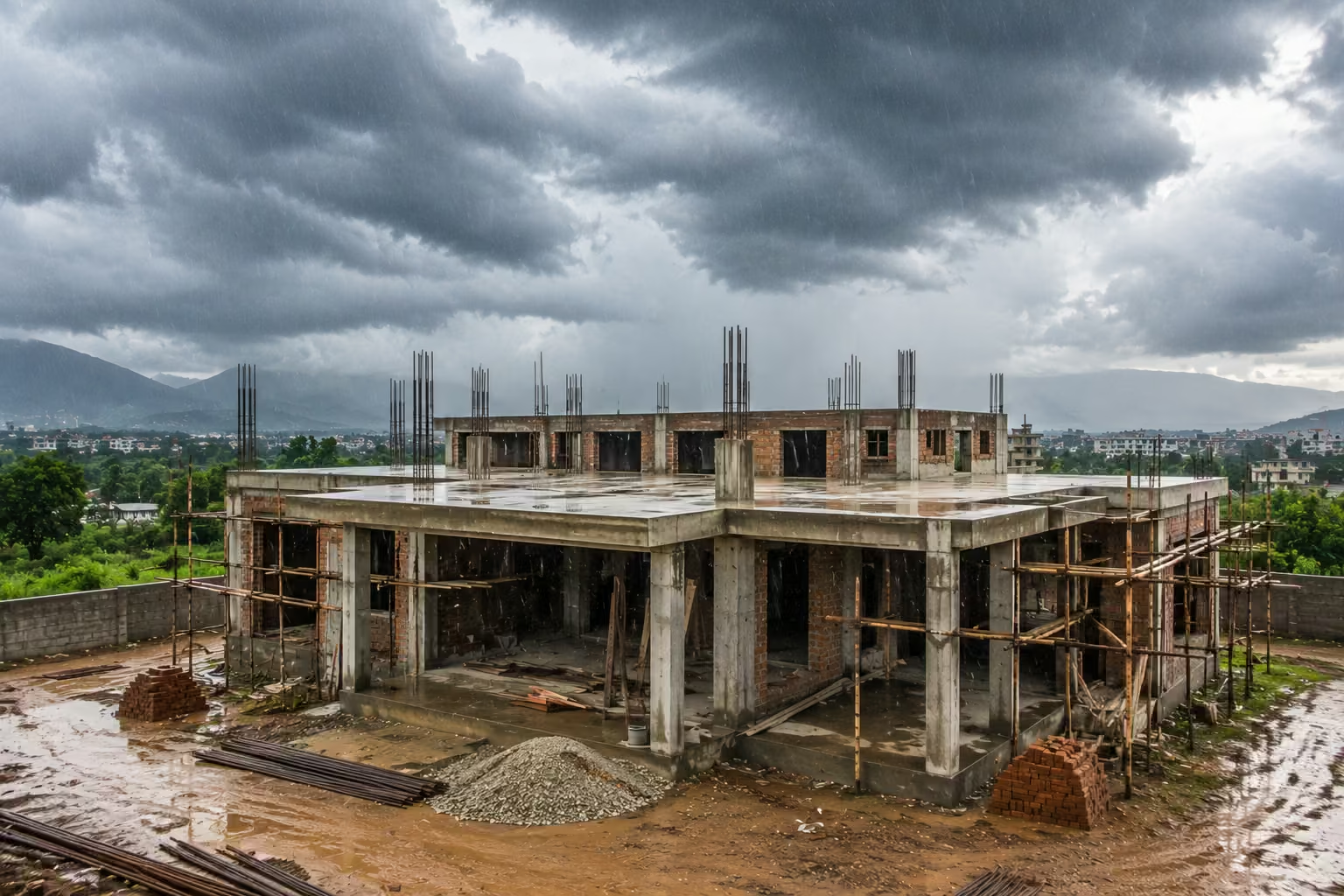
A well-organized schedule protects your budget. Delays increase costs through extended labour engagement, exposure to material price fluctuations, extra equipment rental days, and additional supervision time. Realistic timelines, set with an experienced team, are a cost-control tool as much as a planning one.
Design Complexity:
Double-height living spaces, large glass façades, basements, premium stone cladding, complex roof structures, and decorative ceilings all add to construction complexity. None of these are wrong choices, but each should be weighed against its cost impact before finalizing the design, not after.
Practical Ways to Control Construction Costs Without Cutting Quality
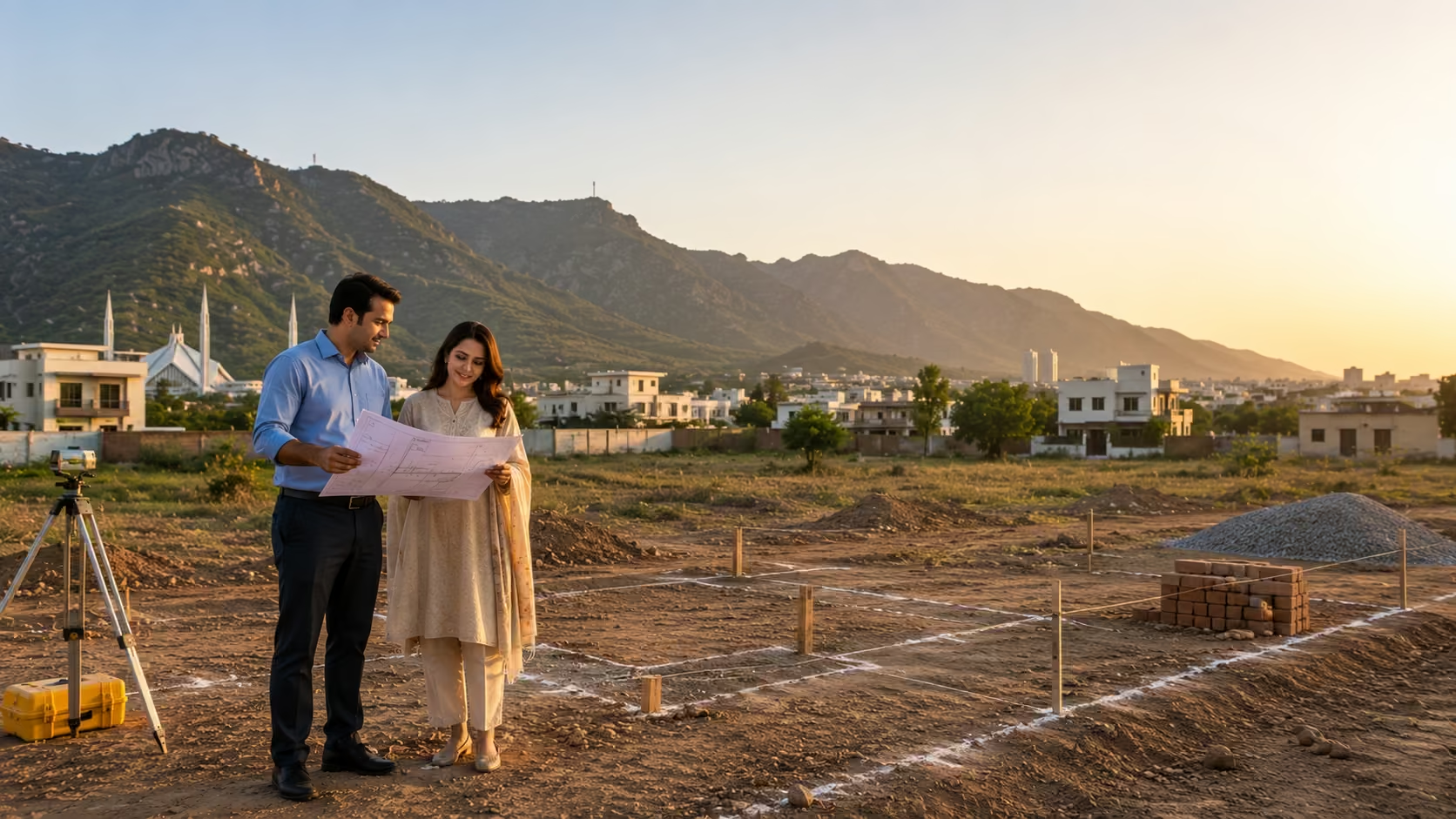
Plan Thoroughly Before Breaking Ground. The single biggest cost driver in construction isn’t materials; it’s starting before planning is finished. Before work begins:
- Finalize architectural drawings completely
- Define the full project budget, including finishing and contingency
- Select construction materials in advance
- Review realistic project timelines
- Discuss detailed specifications with your contractor
Avoid Mid-Construction Design Changes: Changes made after work has started increase labour requirements, material wastage, and delays, often disproportionately to how minor the change seemed. Locking the design before construction starts is one of the highest-leverage cost-control decisions a homeowner can make.
Work With an Experienced Construction Company:
An experienced team contributes more than labour; it brings structured planning, budget management, procurement relationships, quality control, and site supervision, all of which reduce the likelihood of costly mistakes.
Invest in Quality Over Short-Term Savings:
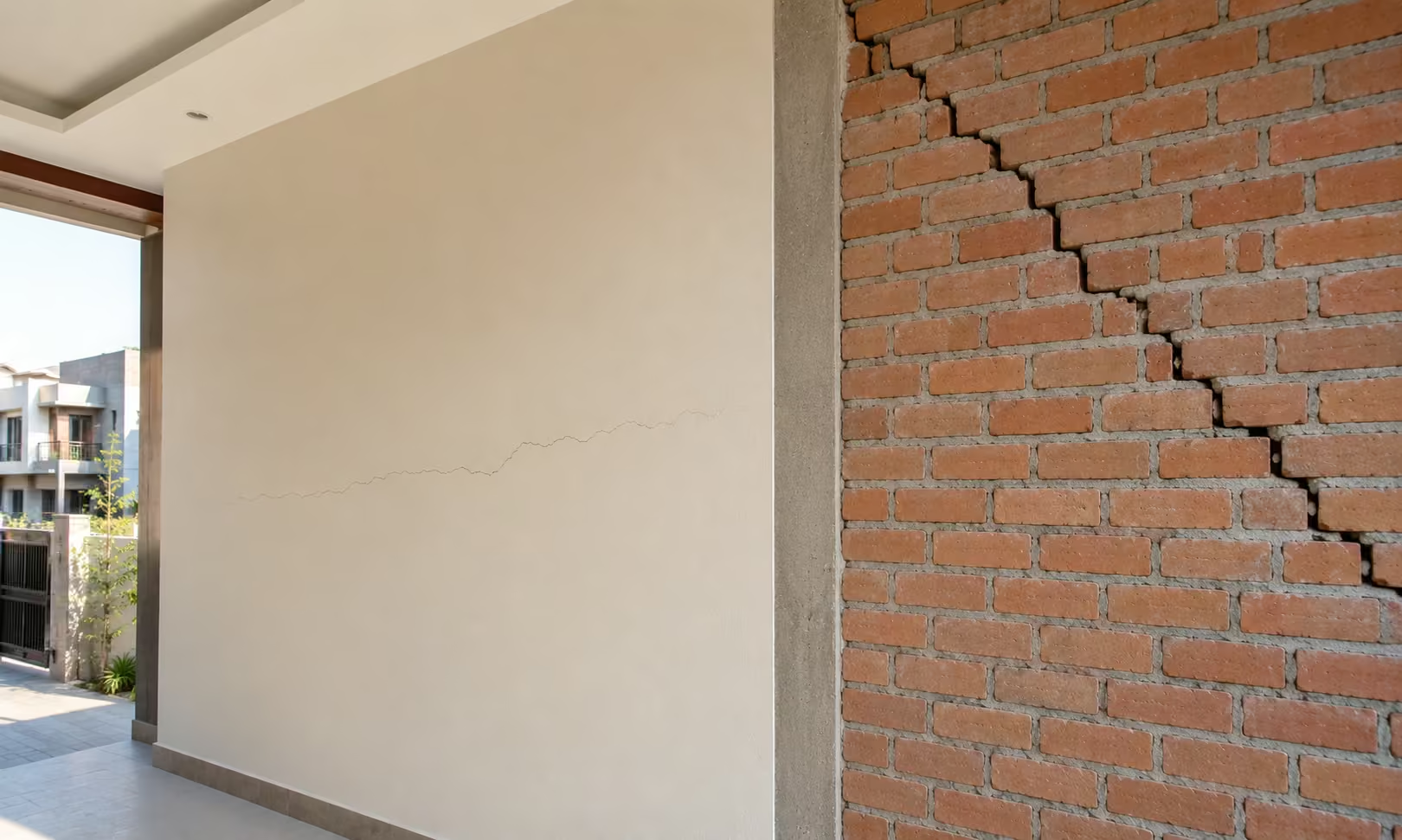
Cutting corners on materials lowers the initial cost but often leads to frequent repairs, reduced durability, and higher costs over the building’s lifetime. Reliable materials are a long-term budgeting decision, not just a construction one.
Keep Communication Clear Throughout the Project:
Regular, structured communication between homeowner and construction team keeps expectations aligned, supports faster decision-making, and reduces the misunderstandings that often lead to costly rework.
Where Budgets Typically Go Off Track: A Common Pattern
A recurring pattern in residential projects looks like this: the homeowner budgets carefully for the grey structure, secures a competitive rate, and feels confident about costs. Finishing is then planned late, with decisions made room-by-room during construction rather than budgeted holistically upfront. Because finishing choices (tiles, fittings, kitchen, electrical fixtures) are made under time pressure, they tend to skew toward premium options without a corresponding budget review, and the finishing phase ends up costing as much as or more than the structure itself.
The fix isn’t to spend less on finishing; it’s to budget for finishing with the same rigor as structure, before construction starts, not during it.
Construction Costs in Islamabad and Rawalpindi
Homeowners building in Islamabad and Rawalpindi should factor in society-specific requirements,s approval processes through the relevant development authority, society-mandated architectural guidelines in some sectors, and access logistics that vary between established and newly developed sectors. These factors don’t necessarily raise costs, but they do affect the timeline, and timeline delays are themselves a cost factor.
If you’re planning a project in Islamabad, Rawalpindi, or a nearby housing society, discussing your specific location and society requirements early with your construction partner avoids approval-related delays later.
Frequently Asked Questions
What affects house construction cost in Pakistan the most?
Plot size and covered area, architectural design complexity, material quality, labour, project location, and whether you choose grey structure or turnkey construction. Planning these before construction starts is what keeps costs predictable.
Which is better: grey structure or turnkey construction?
Grey structure suits homeowners who want to manage the finishing themselves and have time to coordinate trades. Turnkey suits those who want one accountable team managing the entire project. The right choice depends on your budget, timeline, and how hands-on you want to be.
Why do construction costs change over time?
Material prices, labour demand, transportation costs, and broader economic conditions all shift, which is why quotations should always reflect current market conditions rather than older published estimates.
How can I get an accurate budget for my project?
The most reliable method is a professional quotation based on your finalized architectural drawings, plot size, covered area, and material specifications, not a general online estimate.
Does architectural design affect construction cost?
Yes. Basements, double-height spaces, premium elevations, large glass façades, and custom ceilings all require additional structural work and specialized materials, increasing cost relative to a simpler design.
How important is project management during construction?
It’s central to cost control; coordinating labour, scheduling work, and catching issues early prevent the delays and rework that quietly inflate budgets.
How can homeowners avoid unexpected expenses?
Finalize the design before starting, budget for finishing as thoroughly as the structure, include a contingency reserve, and work with an experienced team from the planning stage.
Why choose a professional construction company?
Structured planning, transparent communication, quality supervision, and organized project management all reduce risk and improve the odds of finishing on budget and on time.
Final Thoughts
Understanding house construction cost in Pakistan is about more than material and labour prices; it’s about how planning, design, project management, and execution quality interact across the life of a project. Rather than chasing the lowest number, the goal should be maximizing value at every stage: realistic budgeting, thorough planning, and working with a team that treats your project with the same care they’d bring to their own.
Whether you’re planning a family home, a luxury villa, or a commercial property, the time spent understanding the process upfront is what prevents costly mistakes later.
Build With Confidence: OKK Construction
At OKK Construction, every project starts with proper planning and transparent communication. Our team supports homeowners through each stage of the construction journey, from initial design through final handover, with organized project management and solutions tailored to each client’s requirements.
If you’re planning a construction project in Islamabad, Rawalpindi, or a nearby area, our team can walk you through planning, specifications, and a personalized cost estimate for your project.
Contact OKK Construction for a free consultation.