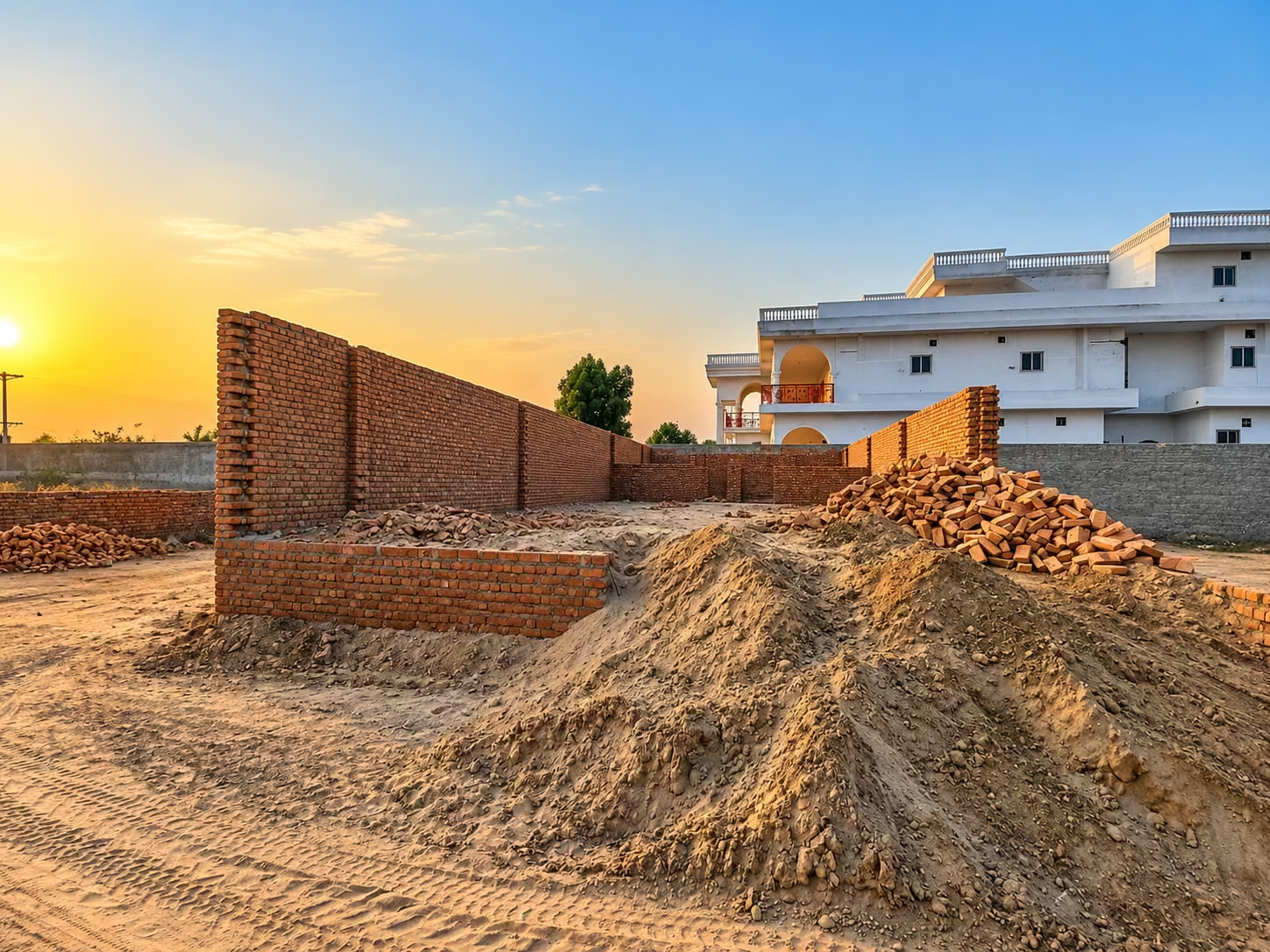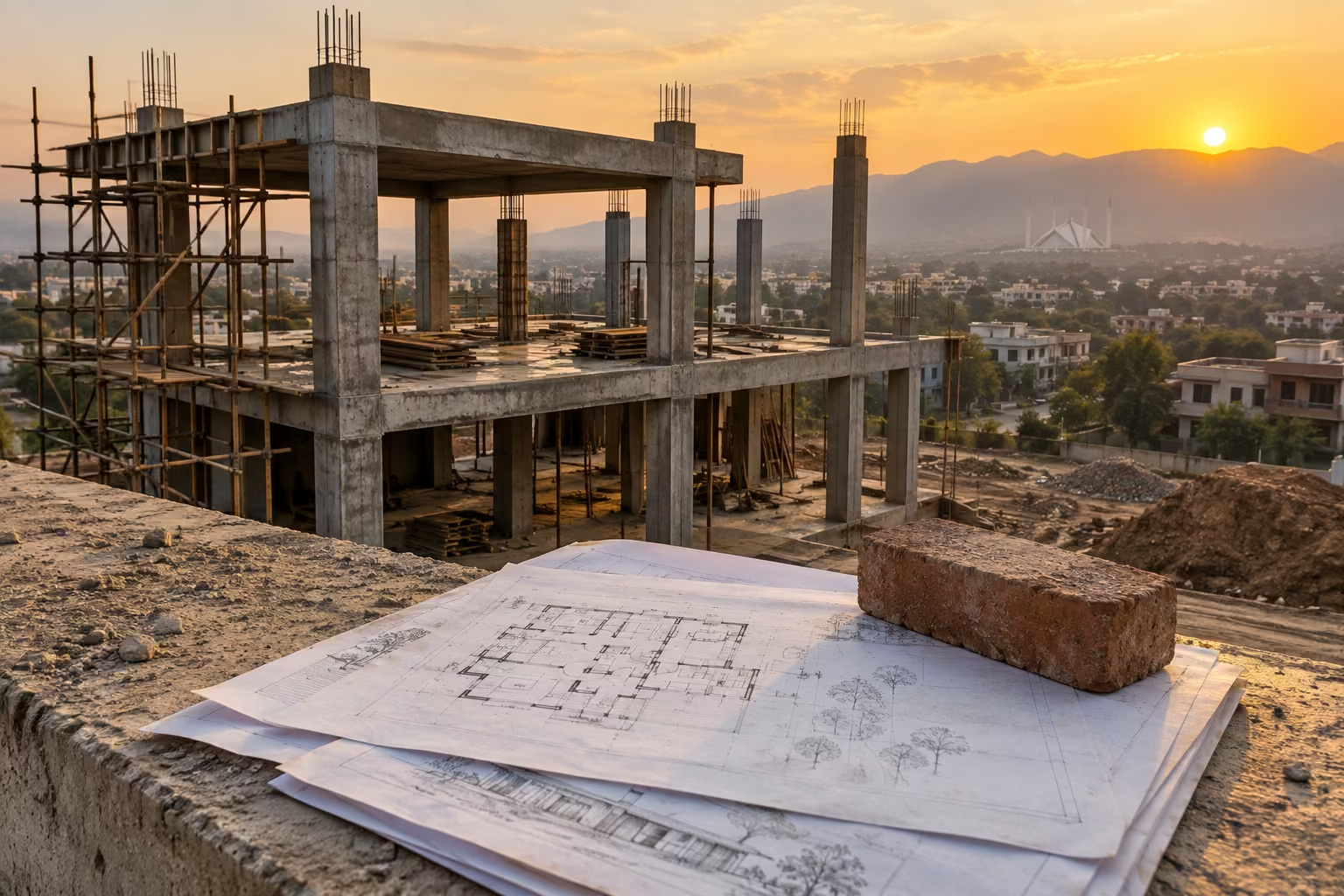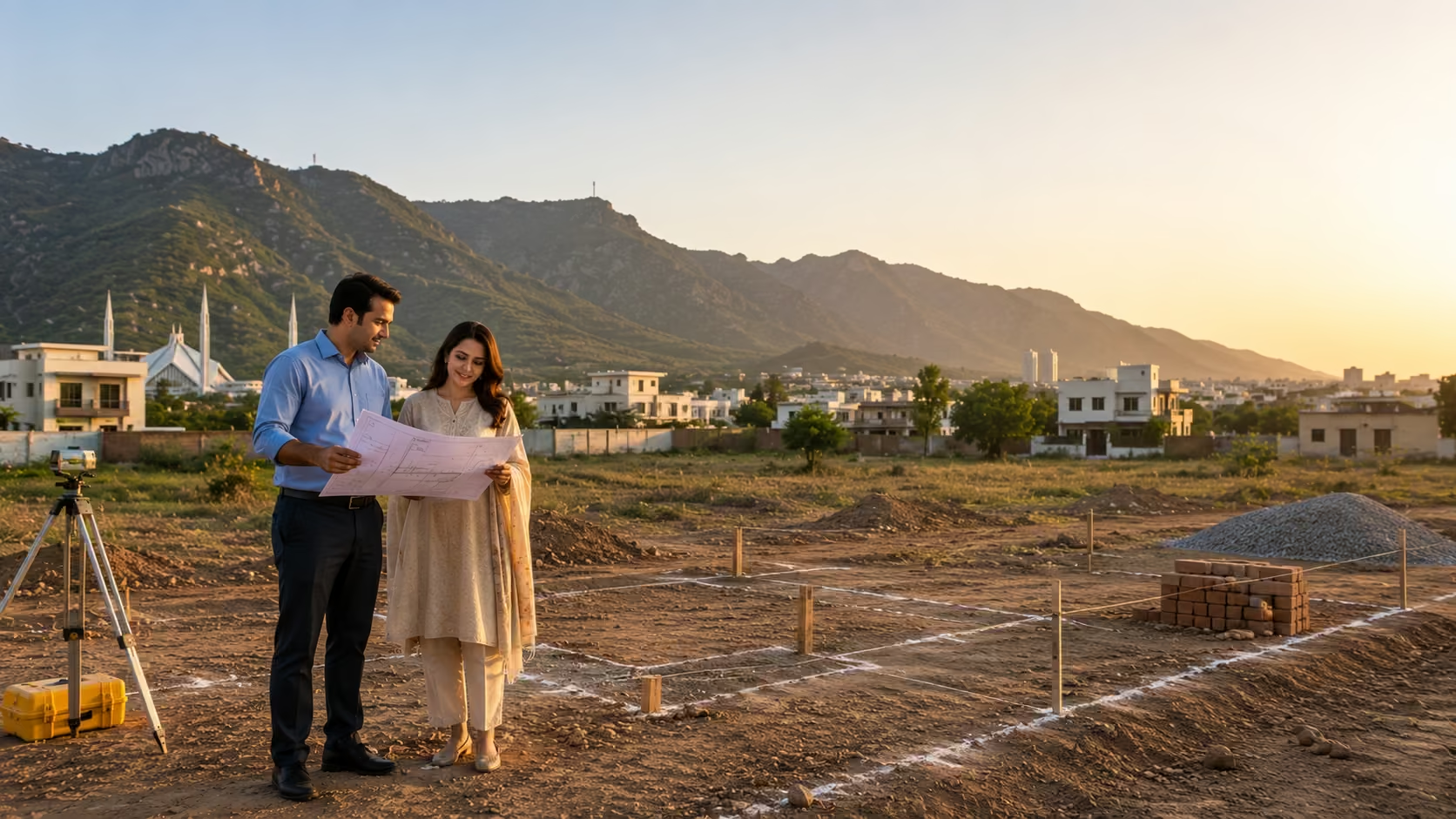
Standing on an empty plot is a strange feeling. There’s no floor plan to argue with, no old wiring to rip out, no previous owner’s tile choices to live with. Just land, and a decision about what goes on it.
That decision, whether to build from scratch, buy something finished, or renovate, is one of the biggest financial choices a family in Pakistan makes. This guide is our honest attempt to walk you through it: what ground-up construction actually involves, what it costs in 2026, where the real risks are, and how to avoid the mistakes we see most often.
We’re not going to pretend ground-up construction is risk-free or always cheaper. It isn’t. But for the right homeowner, it’s still the best way to end up with a house that fits your life instead of someone else’s.
What Ground-Up Construction Actually Means
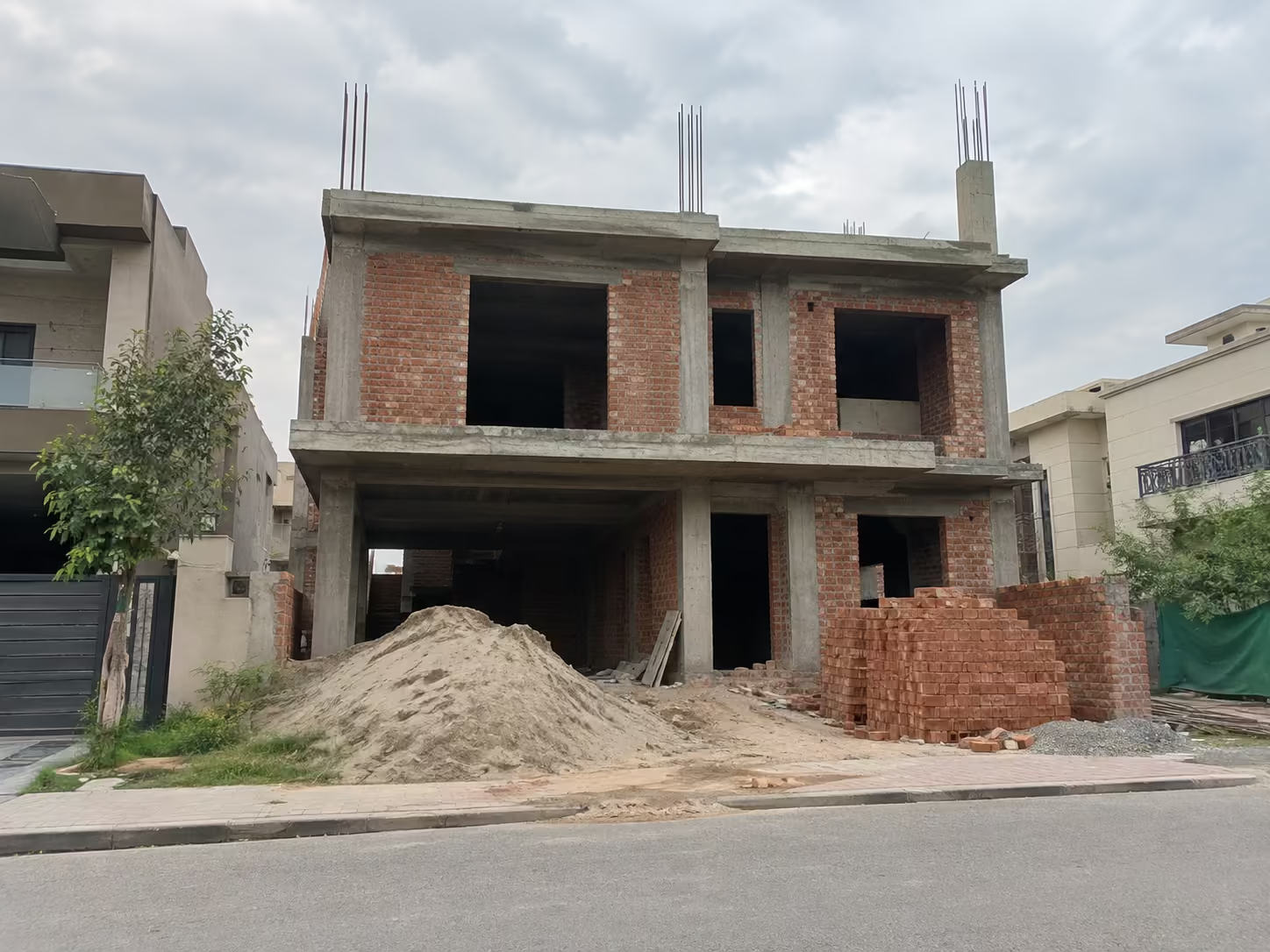
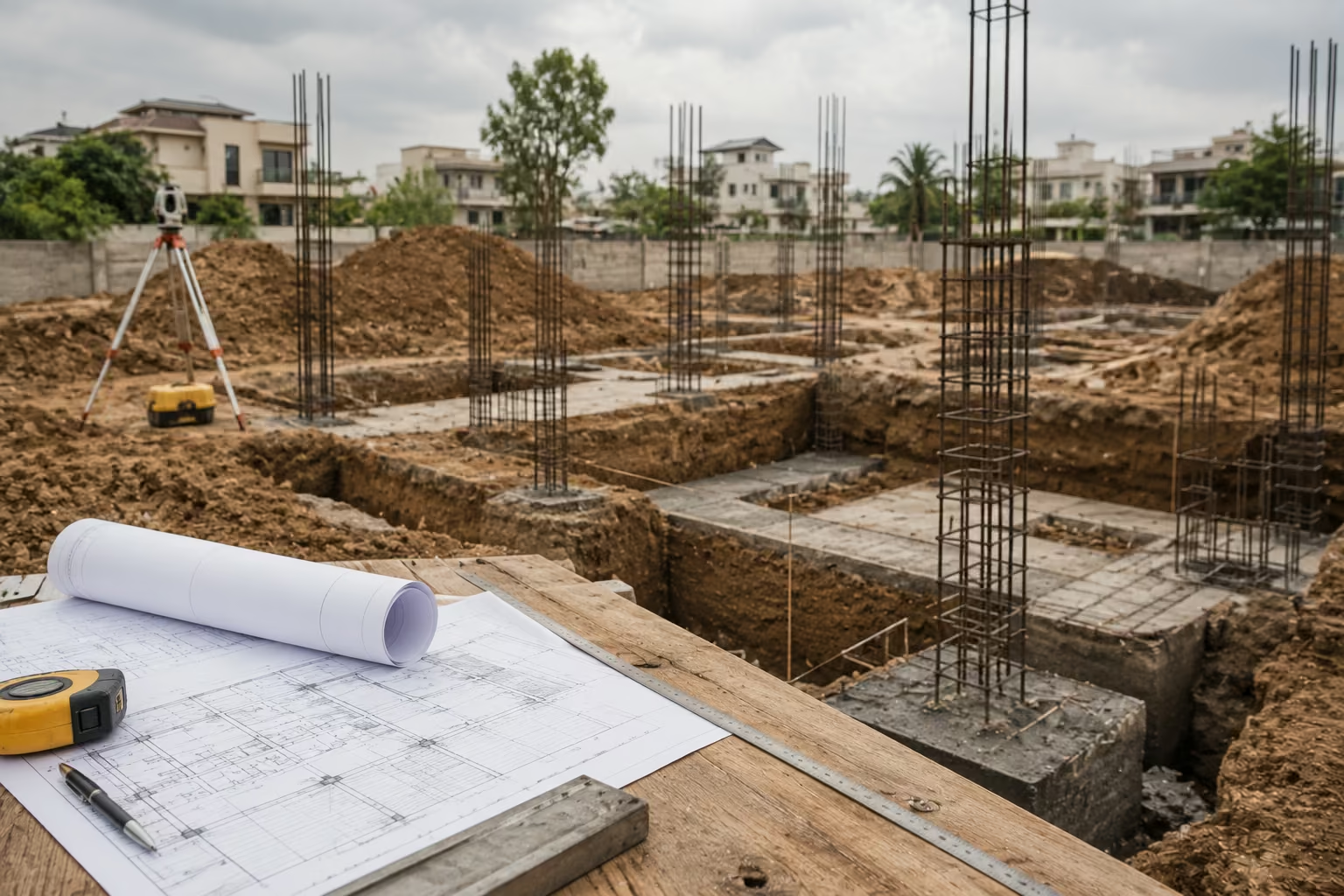
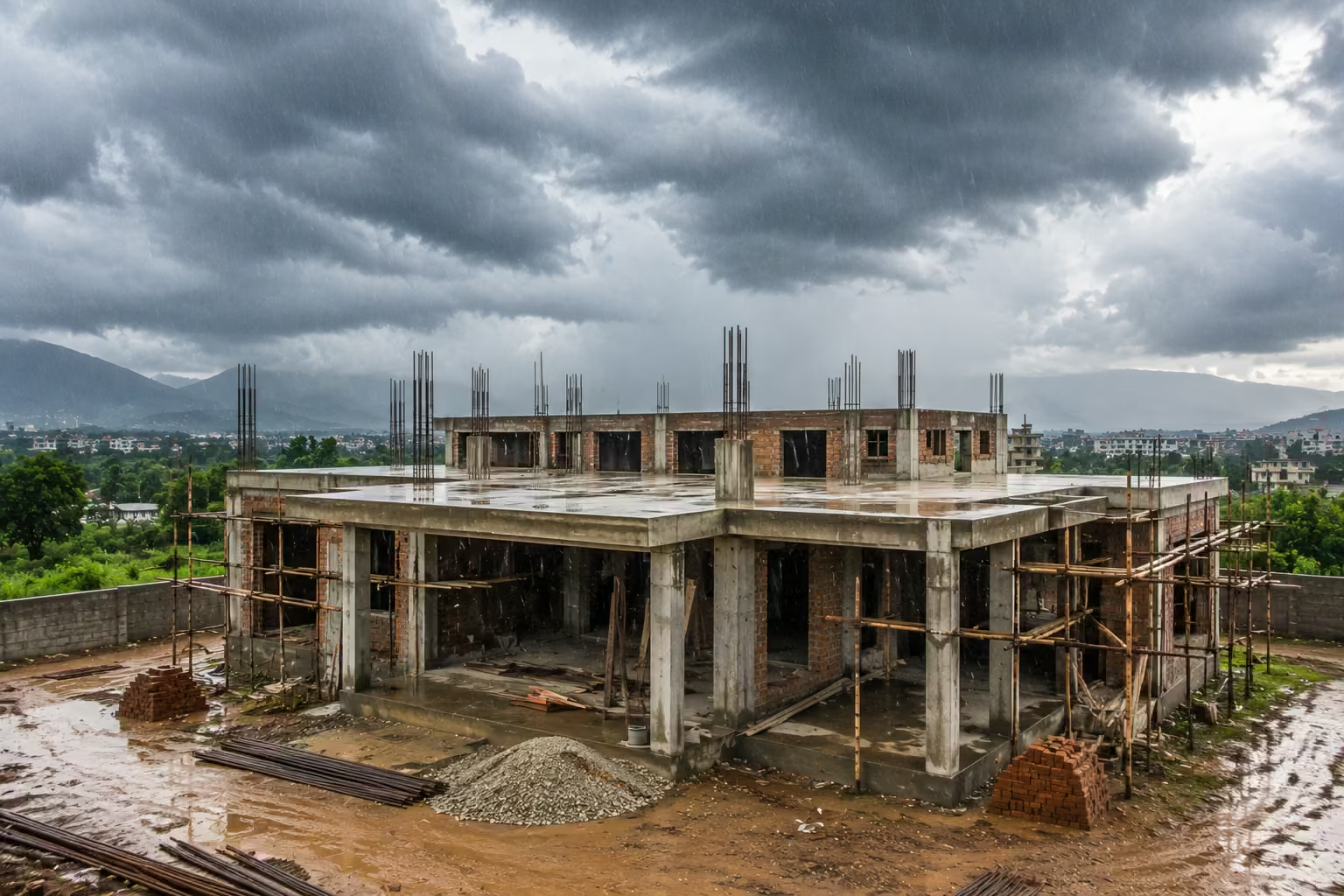
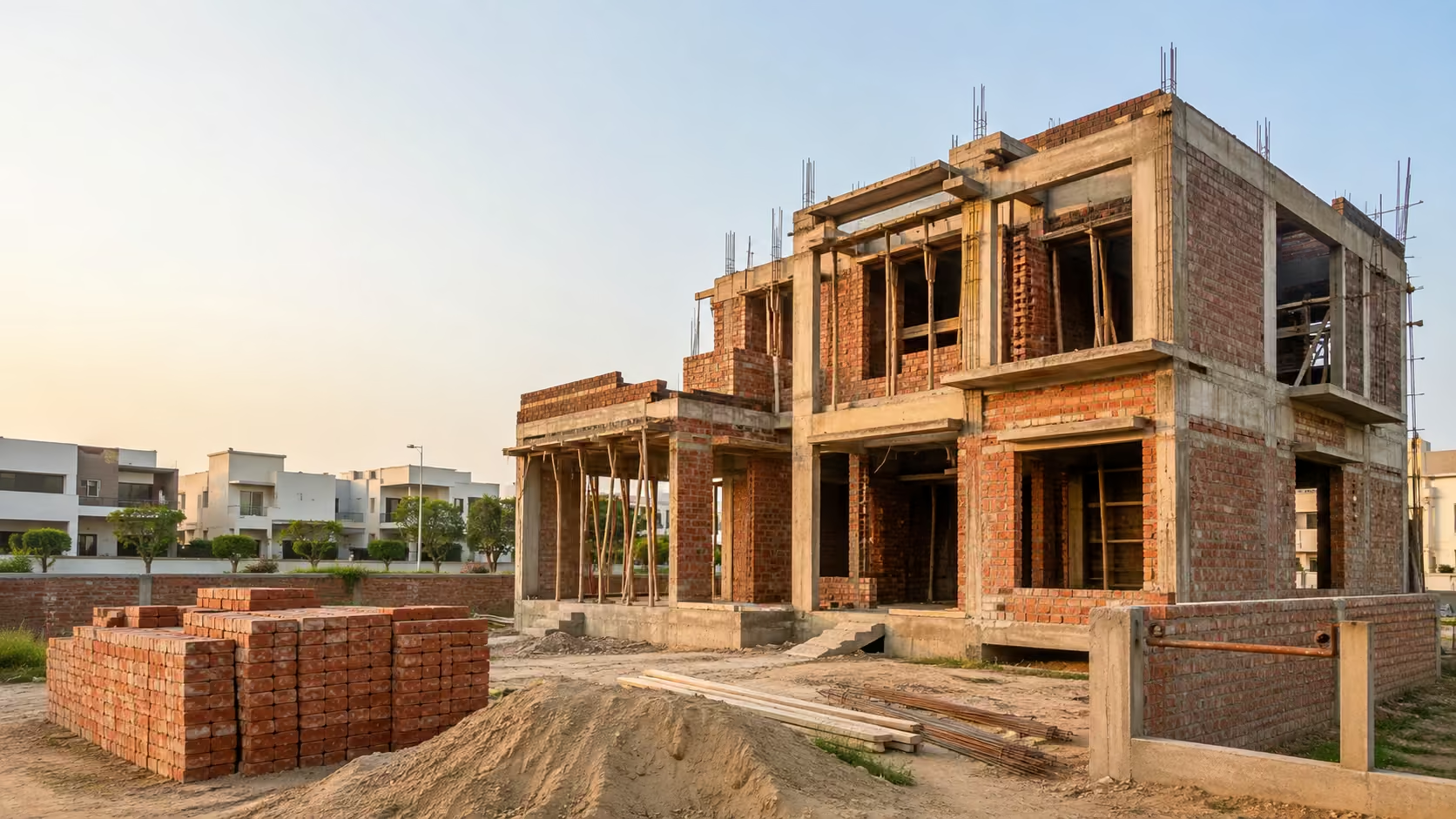
Ground-up construction is building a structure entirely from scratch on vacant or cleared land, with no existing building to work around and no old foundation to reuse.
It’s different from:
- Renovation: updating or repairing an existing structure
- Remodeling: changes the layout or purpose of an existing space
- Addition: adding new space onto an existing building
With ground-up construction, every material, system, and finish is a fresh decision. That’s the appeal and also why it takes longer and demands more of your attention than buying something already built.
Why More Pakistani Families Are Considering It
A few real shifts are driving this:
- Demand for modern layouts
Open kitchens, better ventilation, and smart-home wiring that older housing stock in Islamabad and Rawalpindi often doesn’t have
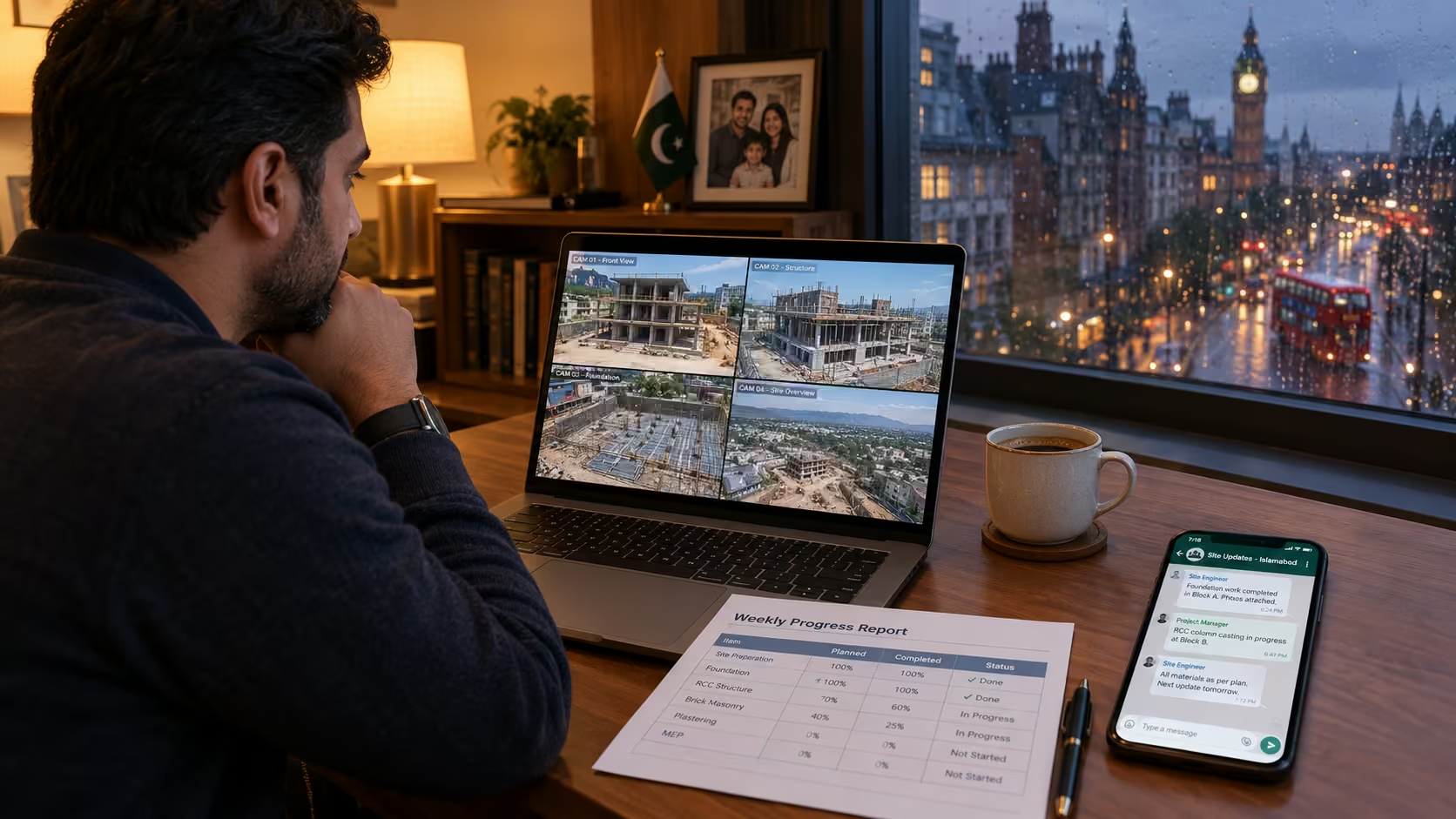
- Overseas Pakistanis investing back home and wanting construction quality they can verify remotely
- New sectors are opening up
In DHA, Bahria Town, and Gulberg Greens with plots but no existing housing stock to buy into
- Changing household needs
Multi-generational living, home, offices, and larger family sizes that older floor plans weren’t designed for
None of this means ground-up is automatically the right call for you. It means it’s worth seriously evaluating against the alternatives.
Ground-Up vs. Ready-Made vs. Renovation: An Honest Comparison
No option wins on every count. Here’s where each one actually stands.
| Feature | Ground-Up Construction | Buying Ready-Made | Renovating an Existing Home |
| Starting Point | Empty plot | A completed house built by someone else | A structure you already own |
| Creative Control | Full control over layout and finishes | Limited to what’s already built | Moderate, constrained by existing walls and structure |
| Customization | Unlimited, but every choice takes time and decisions | Very limited; changes after purchase are costly | Moderate kitchens, bathrooms, and finishes can be updated |
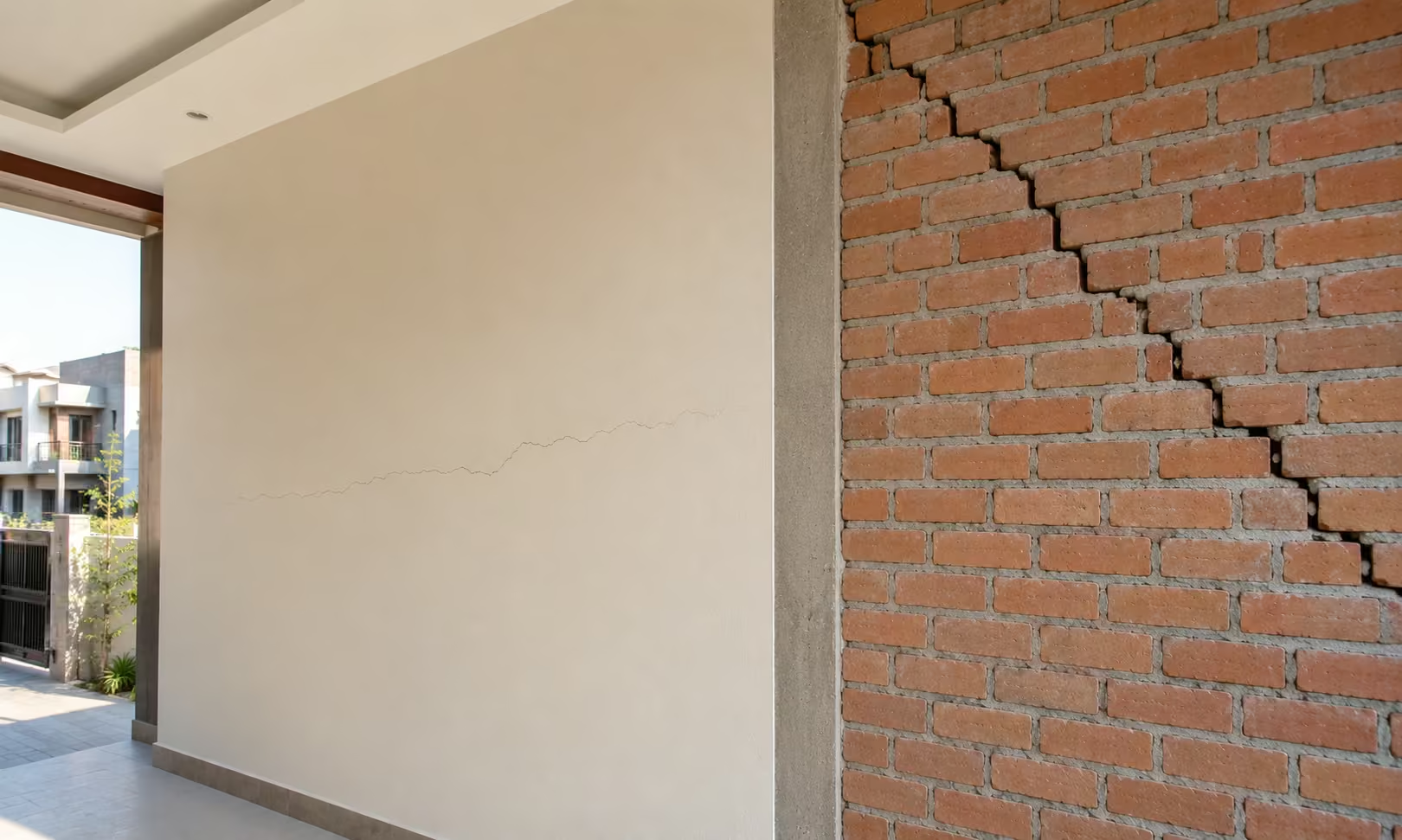
| Hidden Risk | Lower structural risk, but real exposure to price changes, delays, and site surprises during excavation | Risk of undisclosed maintenance issues, aging plumbing/wiring | Highest risk structural damage, outdated wiring, and foundation issues often only surface mid-project |
| Cost Predictability | A moderately detailed BOQ helps, but material prices and site conditions can still shift costs | The highest purchase price is fixed upfront, though repair costs are unknown | The lowest unexpected structural issues are common once walls open up |
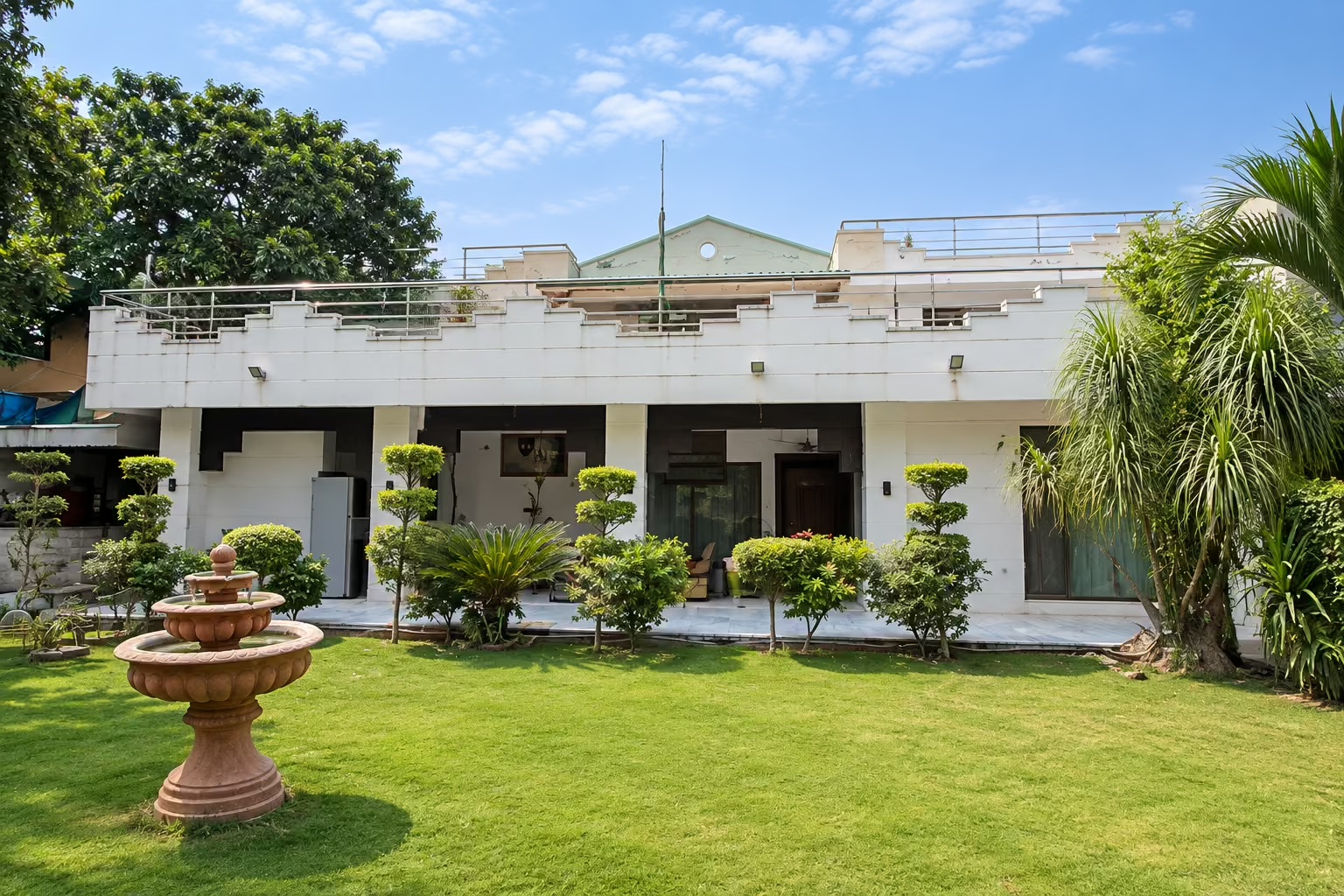
| Code Compliance | Built to current bylaws from day one | Depends entirely on the age of the property | Often needs costly upgrades to meet current code |
| Typical Timeline | 6–12 months | 1–3 months to move in | 3–6 months |
| Best Fit For | Families with a clear vision, some flexibility on the timeline, and a willingness to stay engaged in decisions | Buyers who need to move quickly and can accept an existing layout | Homeowners attached to their location, prepared for mid-project surprises |
The honest takeaway: ground-up gives you the most control, but it also asks the most of your time, engagement, and tolerance for a longer process. If you need to move in within two months, this isn’t your path.
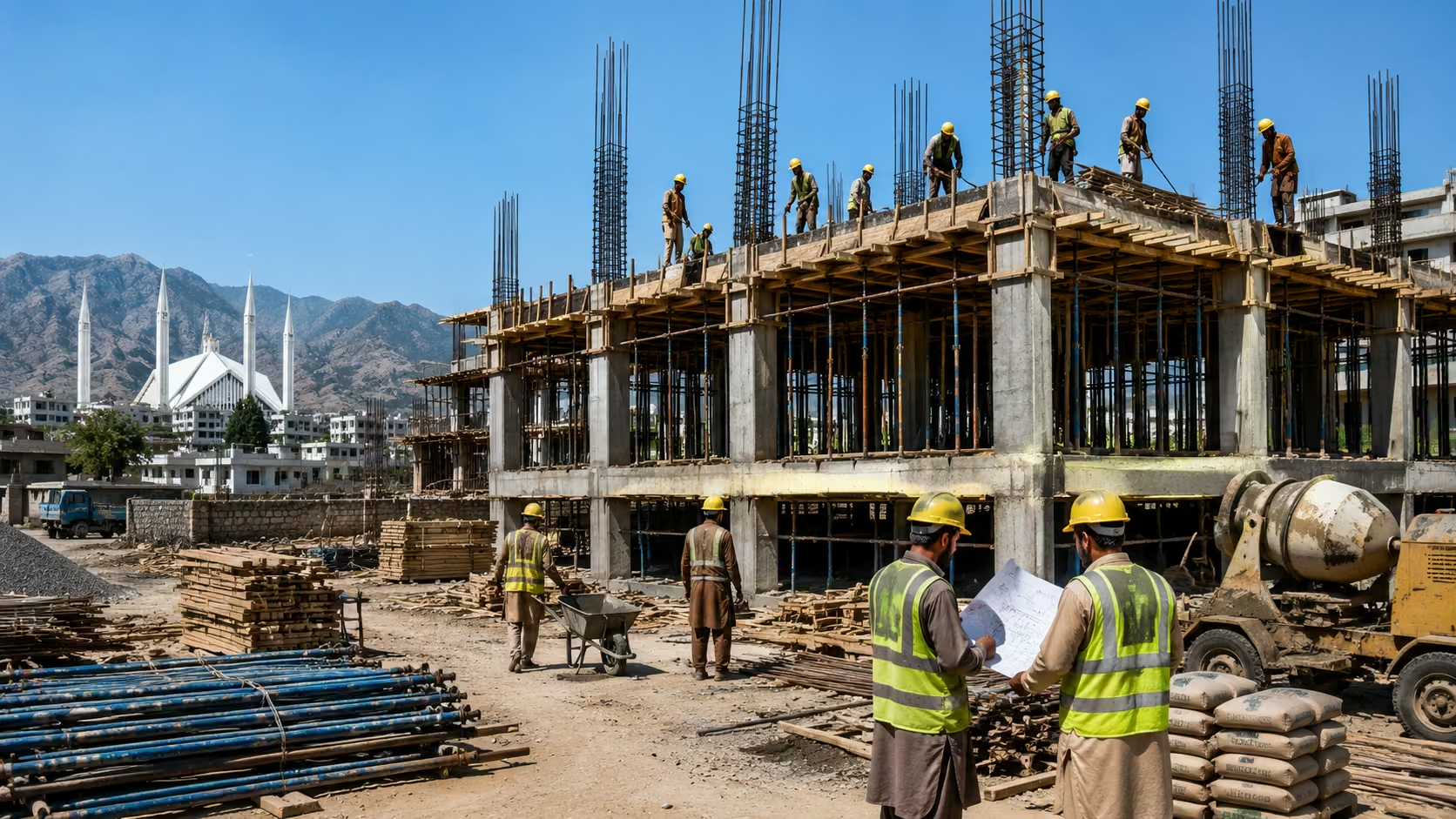
What Construction Actually Costs in 2026
A note on these numbers first: the ranges below are drawn from current Pakistani construction-cost market research across multiple sources for 2026, not a fixed OKK Construction price list. We don’t publish standing per-sq-ft rates because materials, site conditions, and design complexity swing costs too much for a generic number to mean anything for your specific project. Every serious estimate we give a client comes from a written, itemized Bill of Quantities (BOQ) after we’ve seen the site and design. Treat everything below as a planning range to enter the conversation with, not a quote.
You’ll also notice these ranges are wider than a lot of construction blogs show. That’s intentional:l different contractors, material grades, and locations genuinely produce different numbers, and we’d rather show you the real spread than a falsely narrow one.
Construction Cost Tiers (Islamabad / Rawalpindi region)
| Category | Cost per Sq Ft (PKR) | What’s Included |
| Grey Structure Economy | 1,800 – 2,800 | Foundation, columns, beams, brickwork, slabs, rough plumbing & electrical conduits |
| Grey Structure Standard | 2,800 – 3,800 | Grade-60 rebar, better cement mix, suited to most residential builds |
| Standard Finish (turnkey) | 4,500 – 5,800 | Grey structure + standard tiles, branded fittings, basic kitchen, paint |
| Mid-Range Finish (turnkey) | 5,800 – 8,800 | Grey structure + better tiles, modular kitchen, quality sanitary, POP ceiling |
| Premium / Luxury Finish | 9,000 – 13,000+ | Grey structure + imported marble, custom kitchen, luxury fittings, high-end interiors |
Islamabad vs. Rawalpindi: Islamabad rates typically run toward the higher end of these bands, often 10–20% above Rawalpindi for comparable specs, largely due to labor and society-specific structural requirements (DHA and Bahria Town, for example, often mandate stronger structural design than a standard CDA sector).
Rough Total Build Costs
These vary heavily by design and finish level; the ranges below are wide on purpose:
- 5 Marla (approx. 1,800–2,200 sq. ft.):
It is roughly PKR 80 Lakh – 1.9 Crore, an economy grey structure through full luxury turnkey
- 10 Marla (approx. 2,900–3,300 sq. ft.):
Roughly PKR 1.3 – 2.9 Crore
- 1 Kanal: Roughly PKR 2.8 – 5.5 Crore+
A basement typically adds PKR 800–1,400 per sq. ft. on top of these, due to excavation, waterproofing, and extra structural work.
Note: The rates above are general 2026 market estimates for the Islamabad/Rawalpindi region, compiled from industry sources, not OKK Construction’s official pricing. Actual costs depend on your site, design, and material choices. Contact us for a written, itemized quote specific to your project.
What Moves These Numbers
- Location Islamabad vs. Rawalpindi vs. surrounding towns, and which sector or society within each
- Material grade Grade-60 steel and better cement cost more upfront, but reduce long-term maintenance
- Design complexity,y basements, double-height spaces, custom architecture, and soil conditions requiring deeper foundations
- Input price volatility in steel and cement prices has been more stable through 2026 than the sharp increases seen in 2023–2024, but they still move; a fixed-price contract is the main protection against this
- Skilled labor in Islamabad costs more than in smaller cities, but tends to finish faster and produce less rework
- Finishing choices are the single biggest lever on final cost; the gap between economy and luxury finishing is entirely in material and fixture choices, not structural work
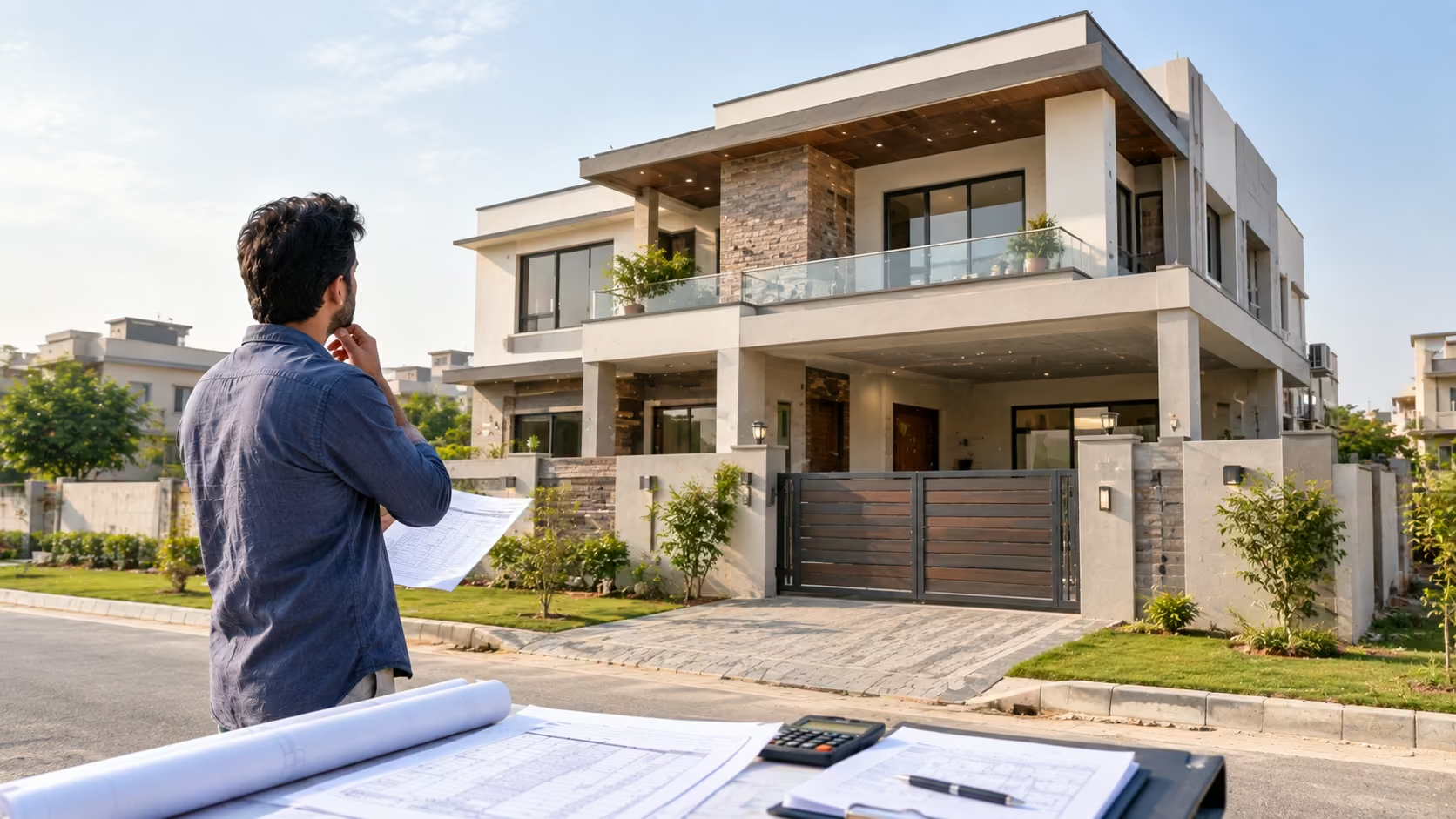
A fair comparison to buying ready-made: ground-up construction is not reliably cheaper than buying an existing home, and depending on land cost, financing, and design choices, it can end up more expensive. What it buys you instead is a house built to your specifications and current code, rather than a lower price. Don’t let anyone, including us, tell you otherwise without seeing your numbers first.
CDA Regulations in 2026: What Islamabad Builders Need to Know
If you’re building within CDA jurisdiction, this affects your budget and timeline directly.
- FAR-based charges: Floor Area Ratio (covered area relative to plot size) now drives fees, with additional charges per extra storey
- Revised height allowances: recent changes have adjusted previous height caps
- Higher penalties: fines for setback encroachment or exceeding FAR have increased
- NOC is required before any construction begins
- A completion certificate is required before permanent gas and electricity connections are issued
Regulatory bodies vary by location
CDA governs Islamabad sectors, but Rawalpindi falls under RDA, and housing societies (DHA, Bahria Town, Gulberg Greens) often have their own bylaws layered on top. If you’re building in Jhelum, Gujranwala, or AJK (Mirpur, Bhimber), the relevant development authority and society rules will differ from CDA’s; confirm the correct regulator for your specific site before finalizing designs.
The approval process, in order:
- Confirm your plot’s bylaws category, allowed FAR, setbacks, and max height
- Have an architect prepare compliant drawings
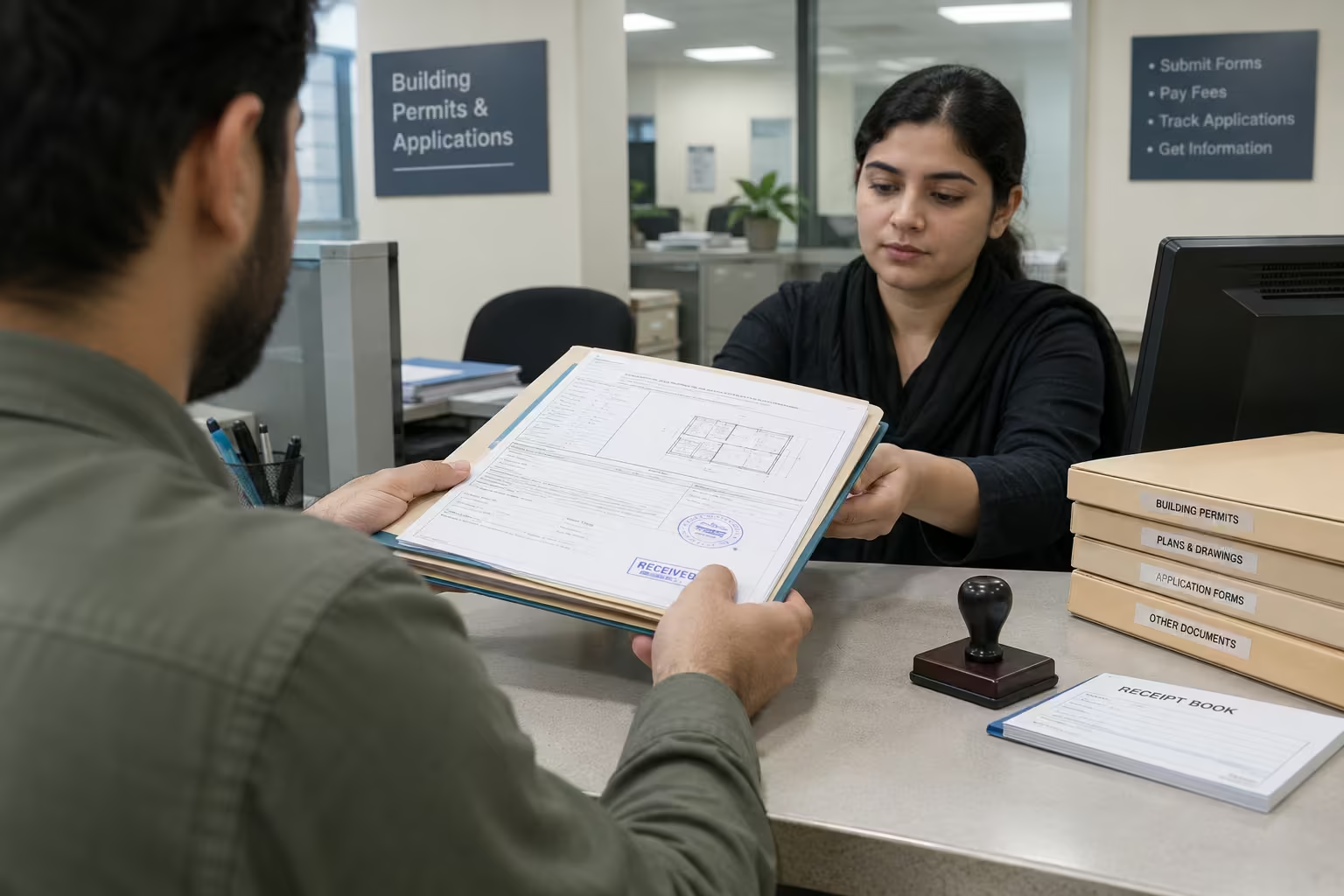
- Submit for scrutiny and NOC
- Pay FAR-based charges, including per-storey fees
- Build exactly to the approved plan
- Obtain the Completion Certificate before requesting utility connections
Mistakes that cause the most delays:
- Starting construction before the NOC and approved drawings are in hand
- Exceeding FAR or encroaching on setbacks
- Treating the Completion Certificate as optional
- Finalizing a design before checking bylaws, then having to redesign
We handle this process for our clients, but you should still ask your contractor to include us to walk you through exactly what’s been filed and approved at each stage. Don’t take “it’s handled” on faith.
Choosing a Construction Partner: What to Actually Check
Good signs
- Completed ground-up projects you can visit or call references for
- In-house architects, engineers, and project managers do not just subcontract labor
- A detailed, itemized BOQ before you sign anything
- Regular site inspections with documentation, not just verbal assurances
- Clear knowledge of the specific regulator for your site (CDA, RDA, or society bylaws)
Warning signs
- Vague contracts with no line-item BOQ or defined payment schedule
- No PEC (Pakistan Engineering Council) registration for the engineers involved
- Pressure to start before NOC and approvals are in place
- No stated process for inspections or quality checks
- Pricing or timelines that seem meaningfully better than everyone else’s ask why
- Difficulty getting a straight answer before you’ve signed anything
If a contractor can’t produce a sample BOQ or explain their payment milestone structure on request, that’s worth pausing on regardless of how the rest of the pitch sounds.
Where OKK Construction Fits In
We manage ground-up projects end-to-end: site evaluation, architectural drawings, regulatory approvals, construction, and handover. Our team includes in-house architects, engineers, and project managers, and we provide a detailed BOQ and payment schedule before construction starts, not after. We won’t claim a zero-surprise process; no honest contractor can promise that on a construction site. What we can commit to is transparency about costs as they’re incurred, regular documented updates, and following the approval process properly instead of cutting corners on paperwork to save time.
Questions We Get Asked Often
How long does ground-up construction actually take?
Most residential projects run 6–12 months depending on size, design complexity, and how quickly approvals move. Larger or highly customized homes can run longer.
Can I keep living in my current home during construction?
Ye, most clients do, which avoids the cost and disruption of temporary housing.
Will I need to make every decision myself?
No. We guide you through the major calls: layout, structural materials, finishes, without pulling you into every minor site decision. But you should expect to be involved in key milestones, not absent from the process.
What happens if material costs rise mid-project?
This can happen, particularly with steel and cement, which have shown real price movement in recent periods. A solid BOQ sets expectations upfront, and we flag cost changes as soon as we see them rather than absorbing them silently into change orders later.
Do I need to be on-site daily?
No, but you’re welcome to be. We provide scheduled updates and walkthroughs so you’re informed without needing to visit constantly.
Is ground-up construction cheaper than buying a finished home?
It depends on land cost, design, and finish level. What it reliably gives you is a home built to your specifications and to current building codes, which buying an older, ready-made home doesn’t guarantee.
If You’re Ready to Start
Building from scratch is a longer road than buying something finished, and it asks more of you along the way. For families who want a home built around their actual life, rather than adjusted to fit one, it’s usually worth it.
What working with us looks like:
- We listen to your vision, budget, and constraints
- We assess the site and confirm feasibility
- We build a detailed BOQ, timeline, and regulatory roadmap
- We construct with documented inspections at each stage
- We hand over a home that matches what was agreed on the timeline and budget we set together
Contact OKK Construction to schedule a site consultation and get a written estimate for your plot.