Introduction
Building a home is one of the most significant investments you’ll ever make, and every decision you make before construction begins can affect your project’s cost, quality, timeline, and long-term value. Among the first decisions homeowners face is choosing between grey structure construction and turnkey construction.
While both approaches ultimately lead to a completed building, they offer very different construction experiences. One gives homeowners greater control over finishing materials and project decisions, while the other provides a complete, professionally managed solution from planning to final handover.
Unfortunately, many people compare these options based only on price. A lower quotation for a structural phase structure often appears more attractive at first, but without understanding what is and isn’t included, it can be difficult to make a fair comparison. Similarly, some homeowners assume turnkey construction limits customization, when in reality it can provide both flexibility and convenience when managed by an experienced contractor.
The right choice depends on several factors, including your budget, available time, preferred level of involvement, construction knowledge, and long-term objectives. Understanding these differences before construction begins helps you avoid unnecessary expenses, reduce delays, and make informed decisions throughout your project.
At OKK Construction, we’ve worked with homeowners building luxury homes, villas, commercial properties, and custom residences across Islamabad, Rawalpindi, Jhelum, Gujrat, New Mirpur City, Bhimber, and surrounding areas. One question we hear regularly is:
“Should I build a structural phase structure first, or should I choose a complete turnkey solution?”
This guide answers that question by comparing the two construction methods, explaining what each entails, highlighting their differences, and helping you determine which approach best suits your project.
Understanding Structural Phase Structure Construction
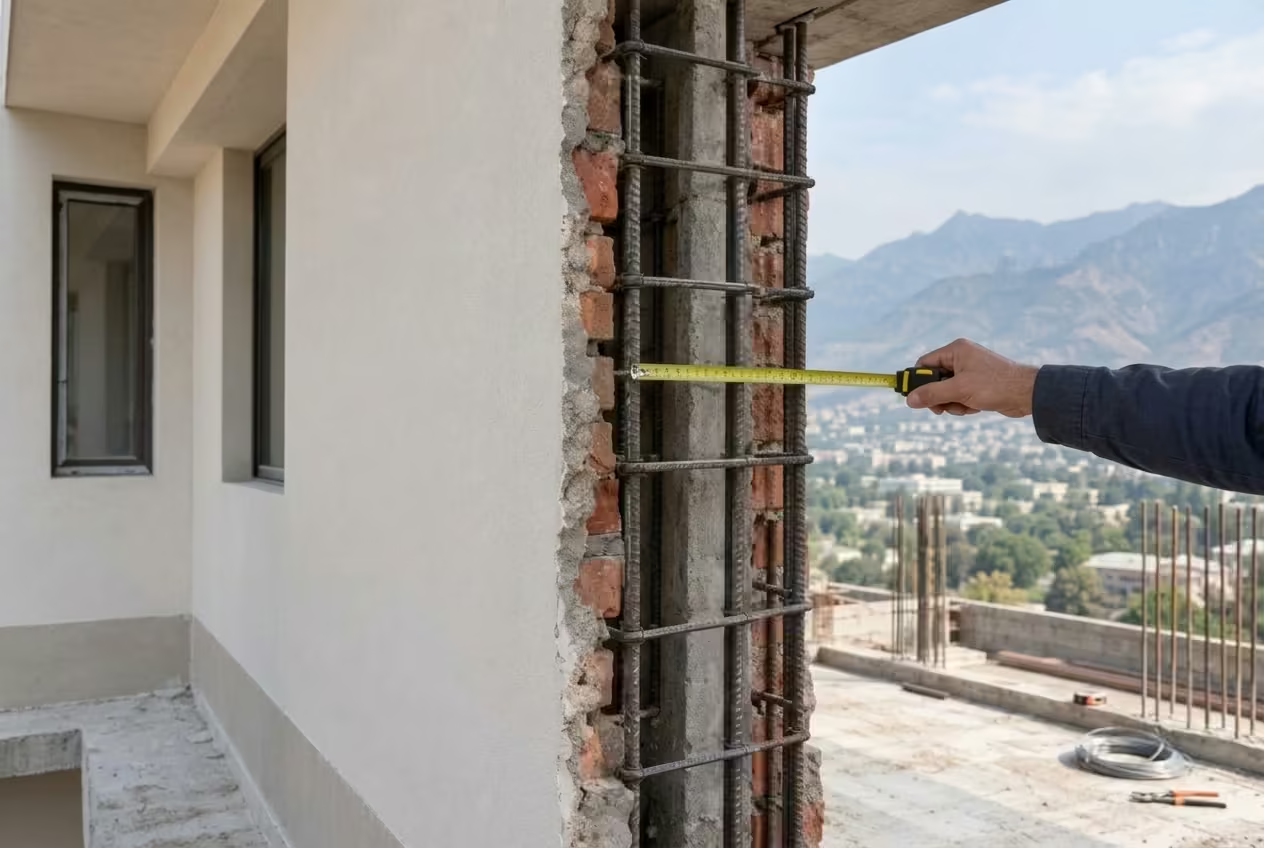
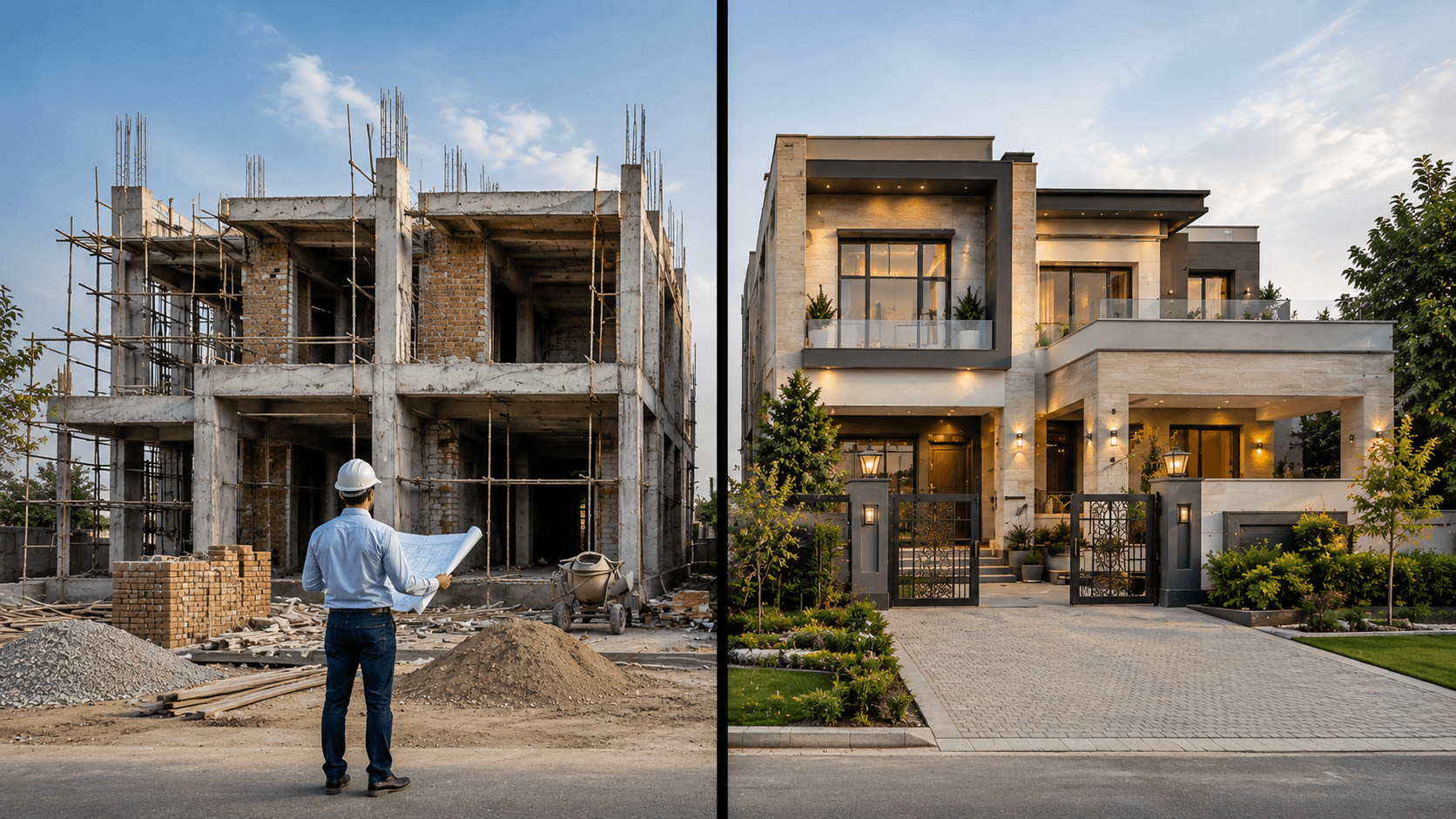
Grey structure construction refers to the stage where the structural shell of a building is completed before any decorative or interior finishing work begins. The primary objective is to create a strong, durable framework capable of supporting the building for decades while leaving aesthetic decisions for later.
Think of the grey structure as the building’s backbone. Once this phase is complete, the property has its overall shape and structural integrity, but it is not yet ready for occupancy. Finishing elements such as flooring, paint, kitchens, wardrobes, lighting, sanitary fittings, and ceilings are completed in subsequent stages.
Although the exact scope can vary depending on the construction agreement, a professionally executed grey structure generally includes:
- Site clearing and excavation
- Foundation construction
- Reinforced concrete columns, beams, and slabs
- Brick or block masonry
- Staircase construction
- Roof slab installation
- Basic electrical conduits
- Plumbing pipework
- Underground drainage systems
- Selected waterproofing works
- Boundary walls (where included)
Because the structural framework is completed first, homeowners retain greater freedom when selecting finishing materials. Some choose this approach because they want to purchase tiles, sanitary ware, kitchen fittings, lighting fixtures, and paint themselves. Others prefer to complete work gradually as their budget allows.
However, greater flexibility also brings greater responsibility. Managing multiple suppliers, coordinating finishing contractors, and ensuring workmanship quality requires time, planning, and continuous supervision.
What Is Turnkey Construction?
Turnkey construction is a complete project delivery method where one construction company manages the entire building process from the initial planning stage to the final handover of a move-in-ready property.
Instead of hiring different contractors for structural work, plumbing, electrical installation, finishing, and landscaping, homeowners work with a single project management team responsible for coordinating every construction phase.
A professionally managed turnkey project commonly includes:
- Architectural design and planning
- Structural engineering
- BOQ preparation
- Site preparation
- Foundation construction
- Grey structure development
- Electrical installation
- Plumbing installation
- Mechanical system coordination
- Flooring
- Ceiling installation
- Interior and exterior finishing
- Kitchen installation
- Bathroom fittings
- Doors and windows
- Paint and decorative finishes
- External development
- Landscaping (where specified)
- Final inspections
- Project handover
One of the biggest advantages of turnkey construction is coordination. Rather than managing multiple contractors independently, homeowners communicate with a single experienced team responsible for scheduling work, procuring materials, supervising labour, maintaining quality standards, and keeping the project on track.
This approach is particularly valuable for clients who:
- Have demanding work schedules
- Live overseas
- We are building in another city
- Prefer predictable project management
- Want to reduce construction-related stress
Professional turnkey construction doesn’t eliminate homeowner involvement. Clients continue making important decisions regarding layouts, materials, colours, fixtures, kitchens, bathrooms, and finishing preferences. The difference is that execution and coordination remain under professional supervision.
Grey Structure vs Turnkey Construction: Side-by-Side Comparison
Before deciding which construction approach is right for your project, it’s helpful to compare both methods across the areas that matter most to homeowners.
| Feature | Grey Structure Construction | Turnkey Construction |
| Scope of Work | Structural shell only | Complete construction and finishing |
| Interior Finishing | Completed separately | Included in the project |
| Material Procurement | Mostly managed by the homeowner | Coordinated by the contractor |
| Project Management | Shared between the owner and contractors | Managed by one experienced team |
| Homeowner Involvement | High | Moderate |
| Contractor Coordination | Multiple contractors | Single point of responsibility |
| Construction Progress | Depends on the separate finishing stages | Continuous, integrated workflow |
| Property Status at Completion | Ready for finishing | Ready for occupancy |
Although the table highlights the practical differences, the decision shouldn’t be based on one feature alone. Your available time, budget planning, construction experience, and long-term expectations all play an important role in determining which option offers the greatest value.
Why This Decision Matters Before Construction Begins
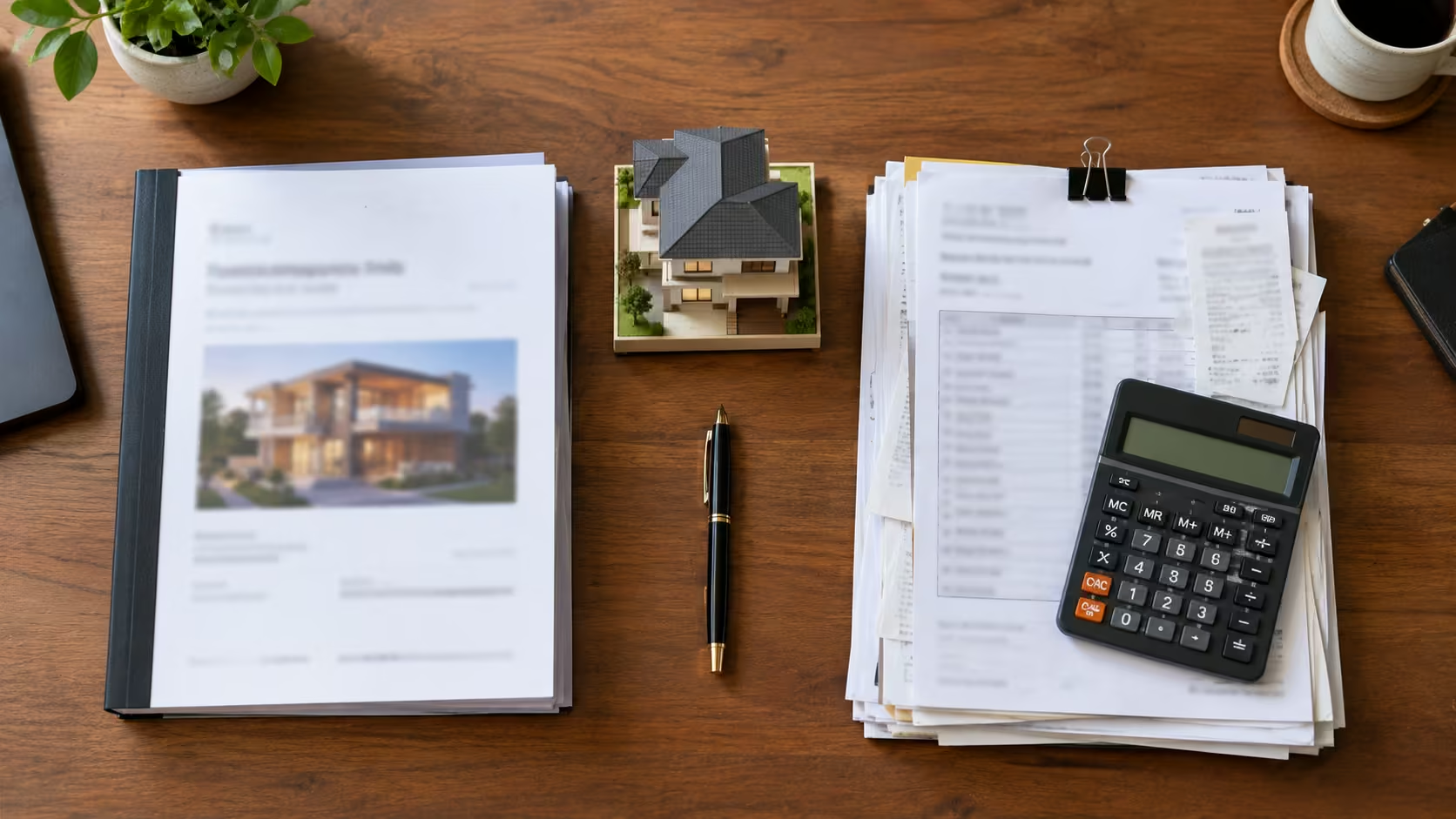
Choosing between grey structure and turnkey construction is about more than comparing quotations; it’s about deciding how your entire project will be managed.
A grey structure quotation often appears less expensive because it covers only the structural portion of the building. Major expenses such as flooring, kitchens, paint, ceilings, lighting, wardrobes, sanitary fittings, and decorative finishes are usually excluded. These costs still need to be planned for separately, and coordinating them requires careful scheduling and oversight.
Turnkey construction combines these stages into one managed project. While the initial investment is generally higher, homeowners benefit from streamlined coordination, integrated scheduling, and greater clarity regarding the overall project scope.
The most successful construction projects begin with realistic expectations. Understanding exactly what each construction method includes helps homeowners compare proposals fairly, allocate their budget more effectively, and choose a construction approach that aligns with their goals rather than simply selecting the lowest price.
Factors to Consider Before Choosing Between Grey Structure and Turnkey Construction
There is no single construction method that works best for every homeowner. The right choice depends on your personal circumstances, financial planning, and how involved you want to be throughout the project.
Before making a decision, consider the following factors carefully.
Budget Planning
Every construction project begins with a budget, but planning goes beyond calculating the initial investment. Homeowners should evaluate the complete cost of building the property rather than focusing only on the first construction phase.
Structural stage structure construction spreads expenses across different stages because the finishing work is completed separately. While this offers flexibility, it also requires disciplined financial planning to avoid interruptions during later phases.
Turnkey construction generally follows a more structured financial plan, where the majority of construction activities are included within one project scope. This allows homeowners to estimate the overall investment more accurately before work begins.
The most effective approach is to prepare a realistic budget that accounts for every stage of construction, regardless of the method you choose.
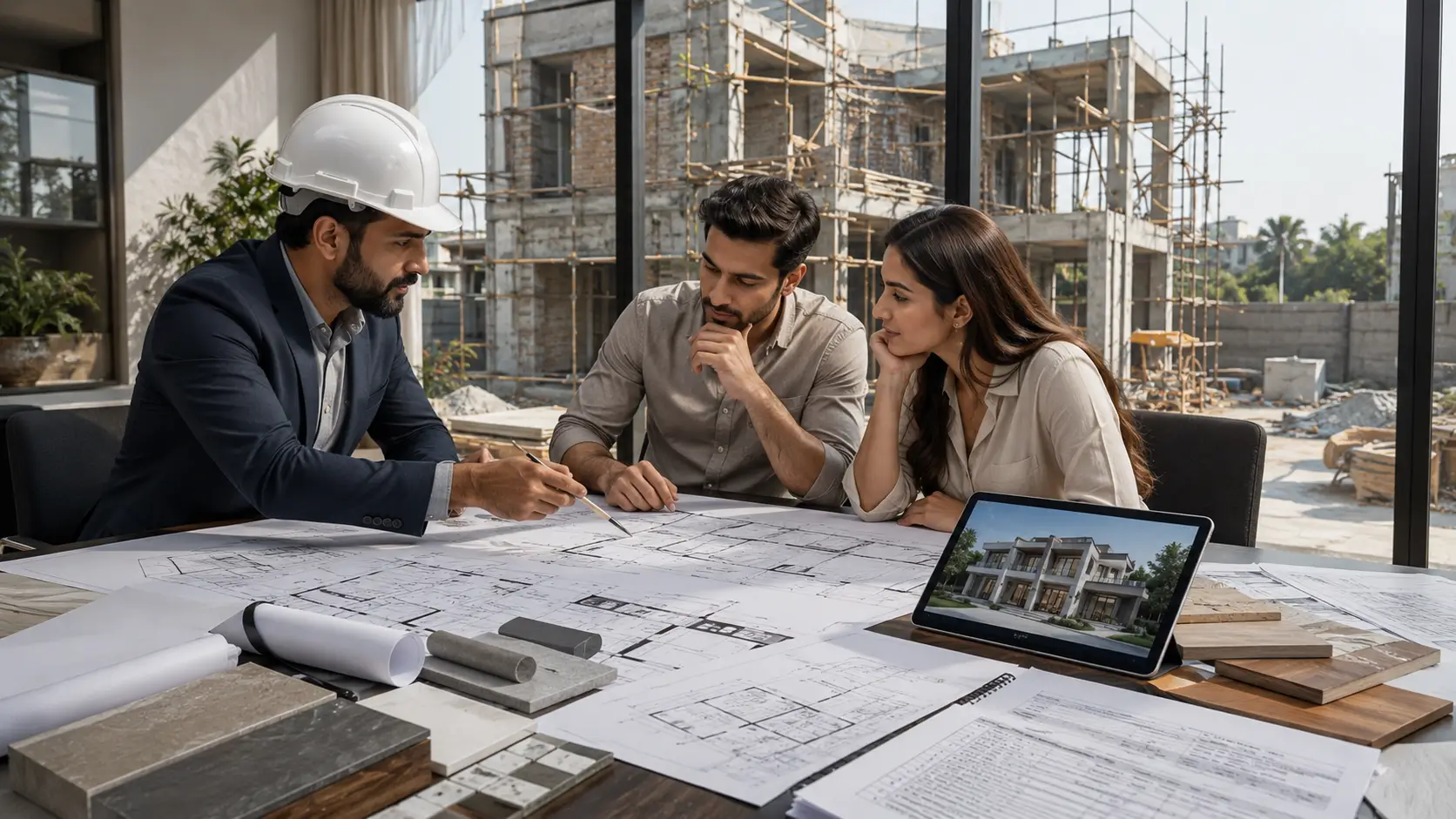
Time Availability
Managing a construction project requires continuous attention. Material deliveries, contractor coordination, site visits, quality inspections, and technical decisions occur throughout the building process.
If you have the flexibility to regularly visit the site and participate in daily decisions, you may be comfortable taking a more active role during construction.
However, many homeowners balance demanding careers, businesses, or family commitments. For them, a professionally managed construction process can reduce the time required for day-to-day supervision while keeping the project organized.
Understanding how much time you can realistically dedicate to construction is often just as important as determining your budget.
Level of Construction Knowledge
Building a home involves hundreds of technical decisions that influence quality, durability, and long-term performance.
If you have previous construction experience or access to trusted technical professionals, you may feel confident managing different stages independently.
First-time homeowners, on the other hand, often benefit from professional guidance throughout the project. Experienced construction teams help coordinate technical work, maintain quality standards, and ensure each phase progresses according to the approved plans.
Choosing the right level of professional support can help reduce unnecessary mistakes and improve overall project efficiency.
Material Selection and Procurement
Construction materials directly influence the strength, appearance, and lifespan of a building. From structural components to interior finishes, every material should meet the project’s performance requirements.
Some homeowners enjoy researching products, comparing suppliers, and selecting every finish personally. Others prefer professional assistance with procurement to save time and maintain consistency throughout the project.
Whichever approach you choose, material quality should never be compromised in an effort to reduce short-term costs. Investing in reliable materials often results in lower maintenance expenses and better long-term performance.
Which Construction Option Fits Your Situation?
Every homeowner has different priorities. Instead of asking which method is universally better, consider which one aligns with your circumstances.
Structural shell construction may be suitable if you:
- Want greater flexibility during the finishing stage.
- Prefer choosing finishing materials independently.
- Plan to complete construction in phases.
- Can regularly supervise construction activities.
- Already have trusted suppliers or finishing contractors.
Turnkey Construction may be suitable if you:
- Prefer a single team managing the complete project.
- Have limited time for construction supervision.
- Live outside the project location or overseas.
- Want a streamlined construction experience.
- Prefer a building that is ready for occupancy upon completion.
The most successful projects are those where the construction approach matches the homeowner’s expectations rather than simply offering the lowest initial quotation.
Common Mistakes Homeowners Should Avoid
Many construction challenges arise not because of poor workmanship but because important decisions were overlooked before construction even began.
Avoiding these common mistakes can help create a smoother building experience.
Choosing a Contractor Based Only on Price
The lowest quotation does not always represent the best value. Construction quality, project management, engineering expertise, and communication all influence the long-term success of a building.
Beginning Construction Without Complete Drawings
Architectural and structural drawings should be finalized before excavation starts. Frequent design changes during construction often increase both costs and project duration.
Ignoring Site Conditions
Every plot is different. Soil characteristics, access routes, drainage requirements, and surrounding developments should be evaluated before construction planning begins.
Delaying Important Decisions
Selections such as flooring, sanitary fixtures, windows, and doors should be planned early to avoid delays during later construction stages.
Overlooking Quality Inspections
Regular inspections during construction help identify issues before they become expensive to correct. Monitoring quality throughout the project is far more effective than attempting to resolve problems after completion.
Expert Insight
One observation we’ve made while working with residential construction projects is that homeowners who invest more time in planning usually experience fewer challenges during construction.
Clear architectural drawings, realistic budgeting, well-defined project objectives, and early material planning often lead to smoother project execution than relying on quick decisions made after construction has already started.
Construction is not simply about building walls; it’s about making informed decisions at every stage to create a property that performs well for many years.
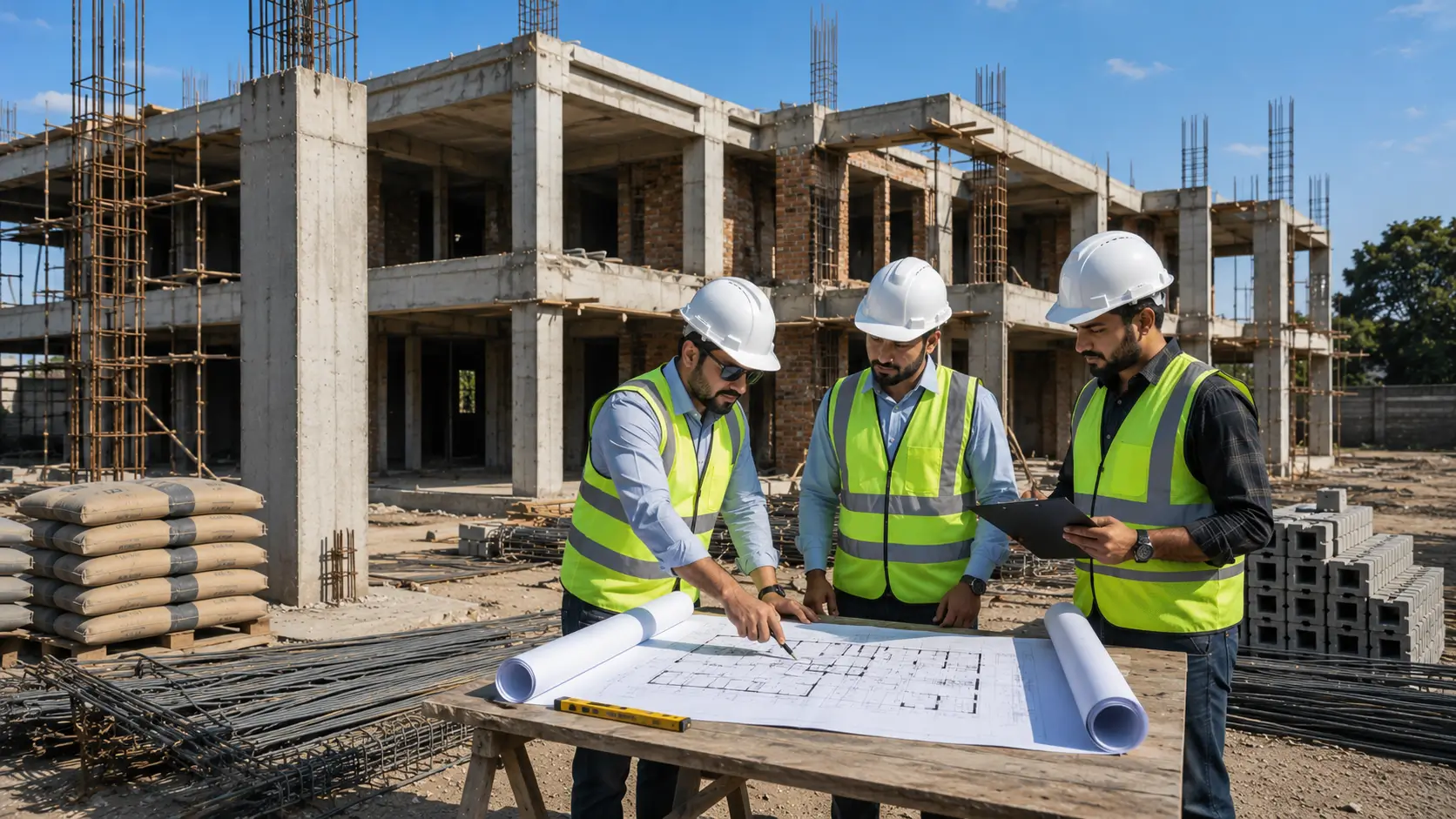
How OKK Construction Helps You Build with Confidence
Choosing between structural shell and turnkey construction is only one part of the journey. The success of your project ultimately depends on the team responsible for planning, coordinating, and executing the work.
At OKK Construction, we approach every project with a commitment to quality, transparency, and professional project management. From the initial consultation to the final handover, our team works closely with clients to ensure construction progresses according to approved drawings, engineering standards, and project objectives.
Our services include architectural design, structural engineering, structural shell structure construction, turnkey construction, luxury homes, villas, commercial buildings, renovations, and complete ground-up construction solutions. By combining technical expertise with practical construction experience, we help homeowners and investors make informed decisions at every stage of the building process.
Whether you’re constructing your first home or developing a commercial property, our goal is to deliver buildings that are structurally sound, functional, and built for long-term value.
Frequently Asked Questions
1. Is structural shell construction suitable for every type of building?
Yes. Structural shell construction can be used for residential homes, villas, commercial buildings, and other developments. The scope of work may vary depending on the project’s design and structural requirements.
2. Does turnkey construction include architectural design?
It depends on the construction agreement. Many turnkey projects include architectural planning, structural engineering, and complete construction services, while others may begin with client-provided drawings.
3. Which option requires more homeowner involvement?
Structural stage construction generally requires more involvement because homeowners often manage finishing materials, contractors, and installation schedules. Turnkey construction simplifies coordination by assigning project management to one experienced team.
4. Can I switch from grey structure to turnkey construction later?
Yes, provided the contractor offers both services and the remaining scope of work is clearly defined. Discussing this possibility before construction begins helps avoid misunderstandings during later phases.
5. How do I decide which construction method is right for me?
Consider your available budget, the time you can dedicate to supervision, your construction experience, and whether you prefer managing multiple contractors or working with a single project management team.
6. Is turnkey construction more expensive than a grey structure?
Turnkey construction usually has a higher overall project cost because it includes structural work as well as interior and exterior finishing. The structural stage covers only the structural stage, meaning additional finishing expenses are incurred later.
7. Can I choose my own finishing materials in a turnkey project?
Yes. Most professional turnkey contractors allow clients to approve or select finishing materials, fixtures, colours, and design elements while managing procurement and installation on their behalf.
8. Why is planning important before construction begins?
Proper planning helps reduce design changes, improve budgeting, minimize delays, and ensure architectural, structural, and engineering work is coordinated before construction starts.
Final Thoughts
There is no one-size-fits-all answer when choosing between structural stage structure and turnkey construction. Both methods have their advantages, and the right choice depends on your project’s goals, budget, timeline, and preferred level of involvement.
If you enjoy managing construction decisions and want greater flexibility over finishing work, a structural stage structure approach may be the right fit. If you prefer a streamlined experience with professional coordination from planning to completion, turnkey construction can offer greater convenience and project continuity.
Whichever option you choose, careful planning, qualified professionals, and transparent communication remain the foundation of every successful construction project.
Taking the time to understand your options today can help you avoid costly decisions tomorrow and ensure your investment delivers lasting value.
Ready to Start Your Construction Project?
Whether you’re planning a building framework structure or a complete turnkey construction project, OKK Construction is here to help you build with confidence.
Our experienced team provides comprehensive construction solutions, including architectural design, structural engineering, residential construction, commercial projects, and complete project management. We proudly serve clients across Islamabad, Rawalpindi, Jhelum, Gujrat, New Mirpur City, Bhimber, and AJK, delivering quality workmanship and transparent communication at every stage.
Contact OKK Construction today to discuss your project and receive expert guidance tailored to your construction goals.